

Why translating a song is harder than translating text
When you translate an email, you only need the meaning to survive. When you translate a song, the meaning has to fit inside a melody that is already fixed: the same number of notes, the same strong beats, the same long notes where the singer holds a vowel. That is why a perfect dictionary translation often sounds wrong when you try to sing it.
Three things break first:
- Syllable count. Each note usually carries one syllable. If the new line has more syllables than the old one, the singer has to cram; if it has fewer, words get stretched over several notes.
- Stress. Every melody has strong beats. In a good lyric, stressed syllables land on them ("I'm *walk*ing home"). A translated line that puts "the" or "of" on a strong beat sounds clumsy right away.
- Rhyme. Listeners expect certain lines to rhyme, mostly at the ends of chorus lines. Lose those rhymes and the hook feels flat, even if every word is correct.
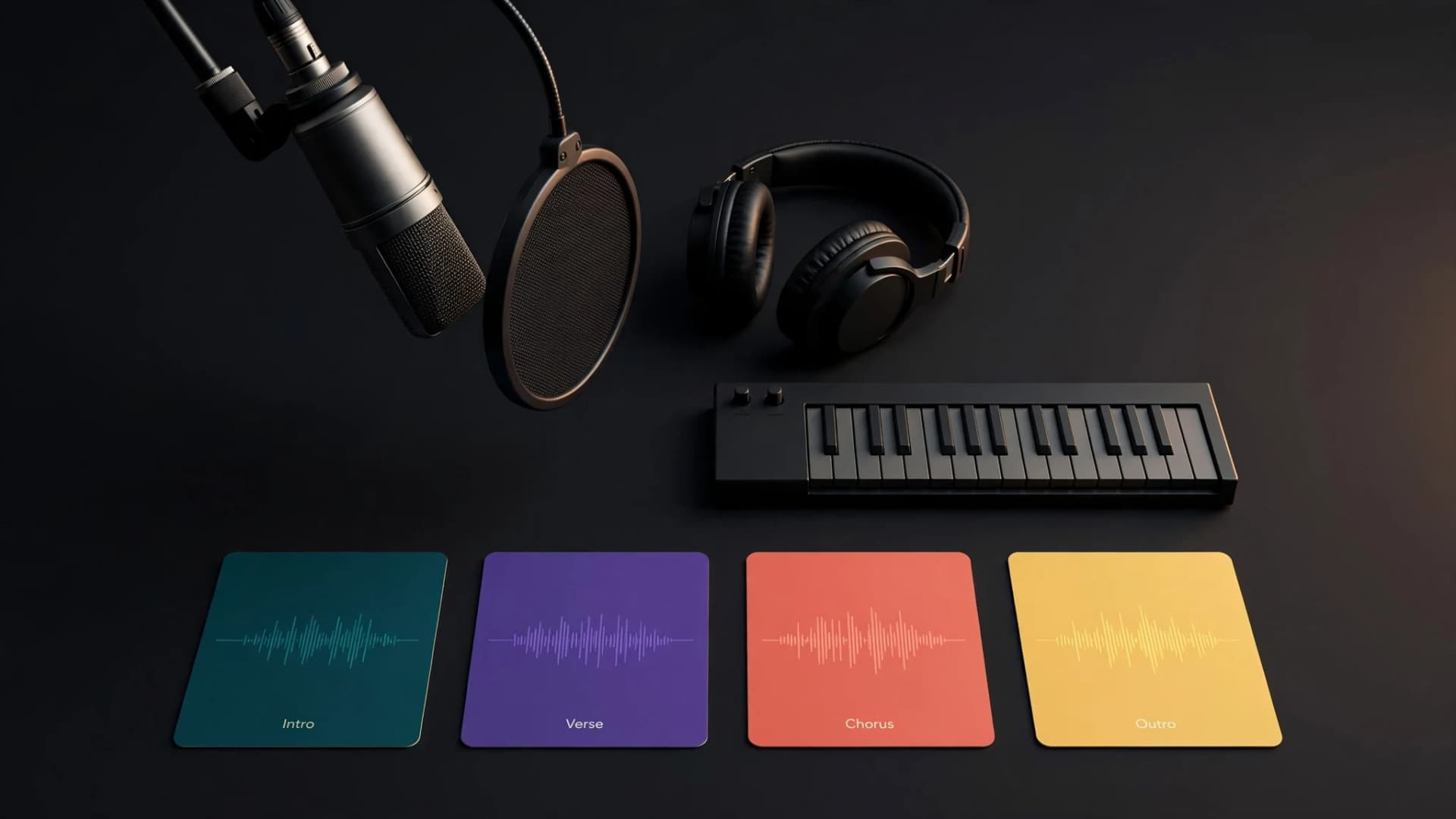
So translating a song is closer to rewriting it with a strict brief. The brief is the original meaning, and the rules are the melody and the song structure: verse, pre-chorus, chorus and bridge each have their own line lengths you need to keep.
Step 1: understand the meaning before you touch the words
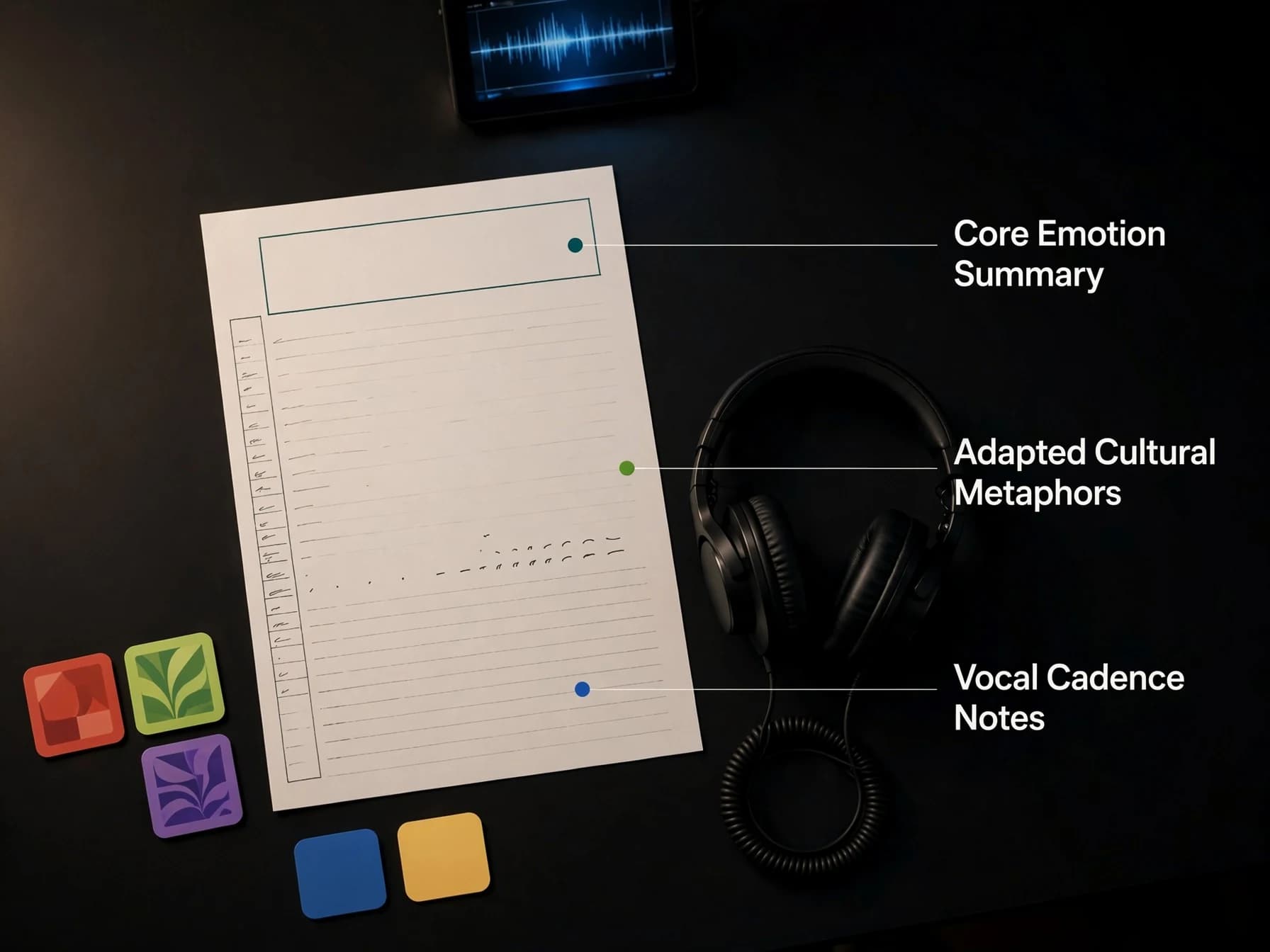
Start by writing a plain summary of each section in one or two sentences. For example: "Verse 1: she waits on the beach every night for someone who left by boat." This summary is your anchor. Whatever words you choose later, the section must still say this.
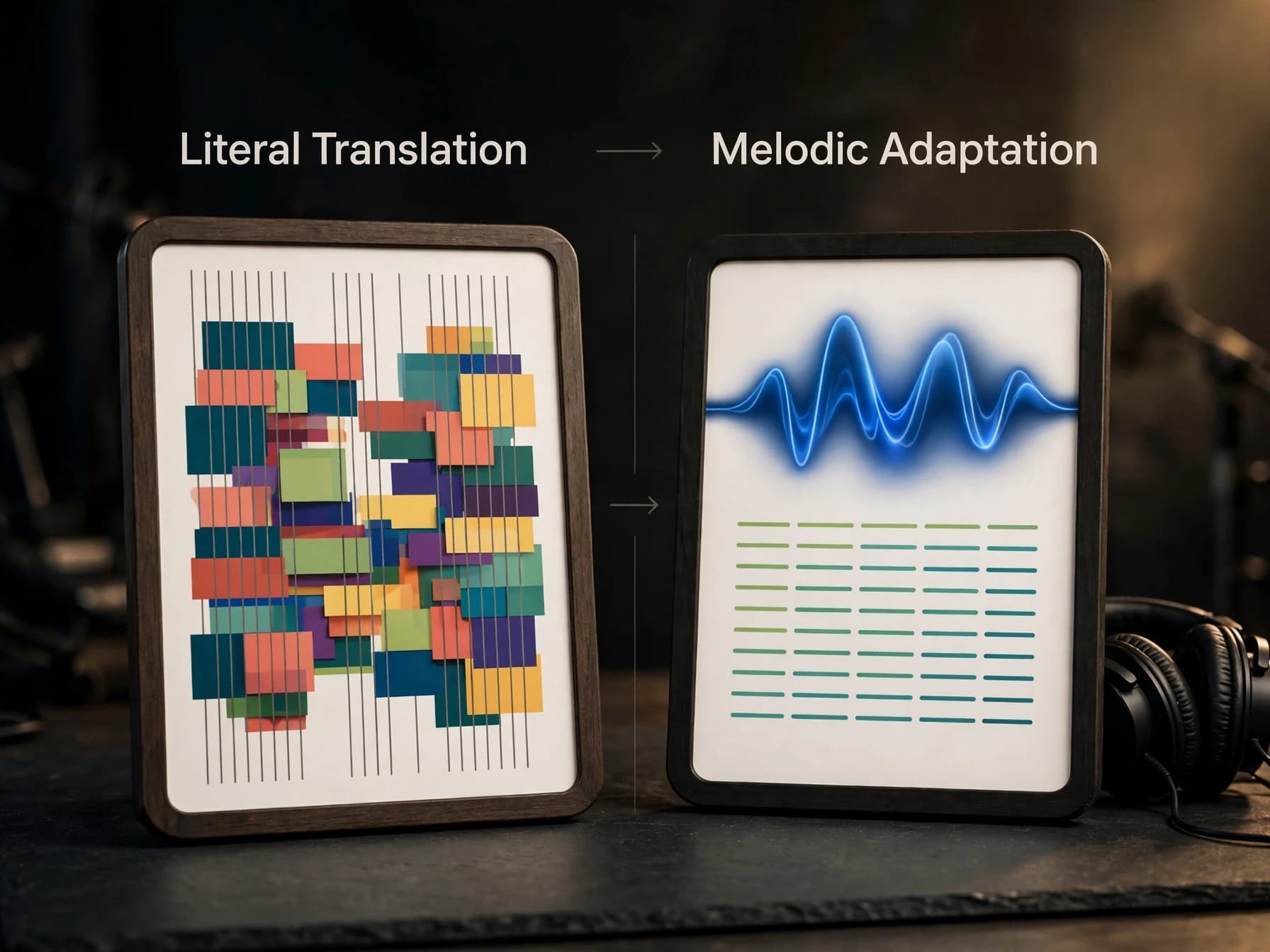
Then make a literal translation, line by line, even if it sounds stiff. It shows you what each line really contains: the image (the shore, the moon, a closed door), the feeling (hope, anger, regret) and any word the song repeats on purpose.
Mark three kinds of words while you read:
- Must keep: the title phrase, names, and the central image of the chorus.
- Can change: idioms, slang and filler words. An idiom almost never works word for word, so look for an English phrase with the same feeling instead.
- Cultural references: a place, a dish or a saint's day the listener may not know. Decide whether to keep it (it adds colour) or swap it for something the new audience understands.
If you only need to understand a song, you can stop here. A line-by-line lyrics translator gives you this literal layer in a few seconds, and it works without an account.
Step 2: rewrite each line to fit the melody
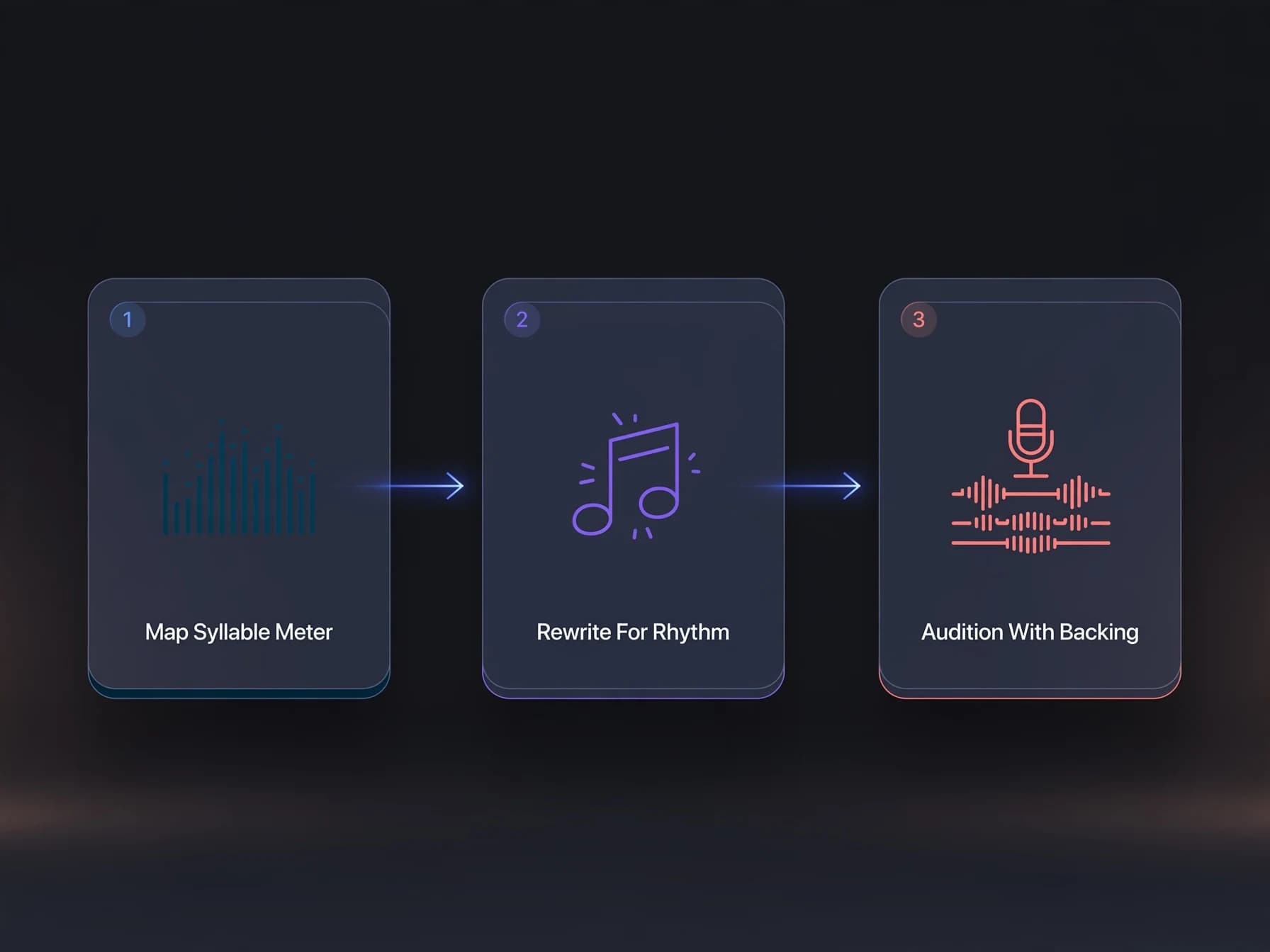
Now turn the literal version into lines a singer can actually sing. Do it one line at a time:
- Count the sung syllables of the original line and mark which ones fall on strong beats. Listen to the recording; count what the singer sings, not what the spelling suggests.
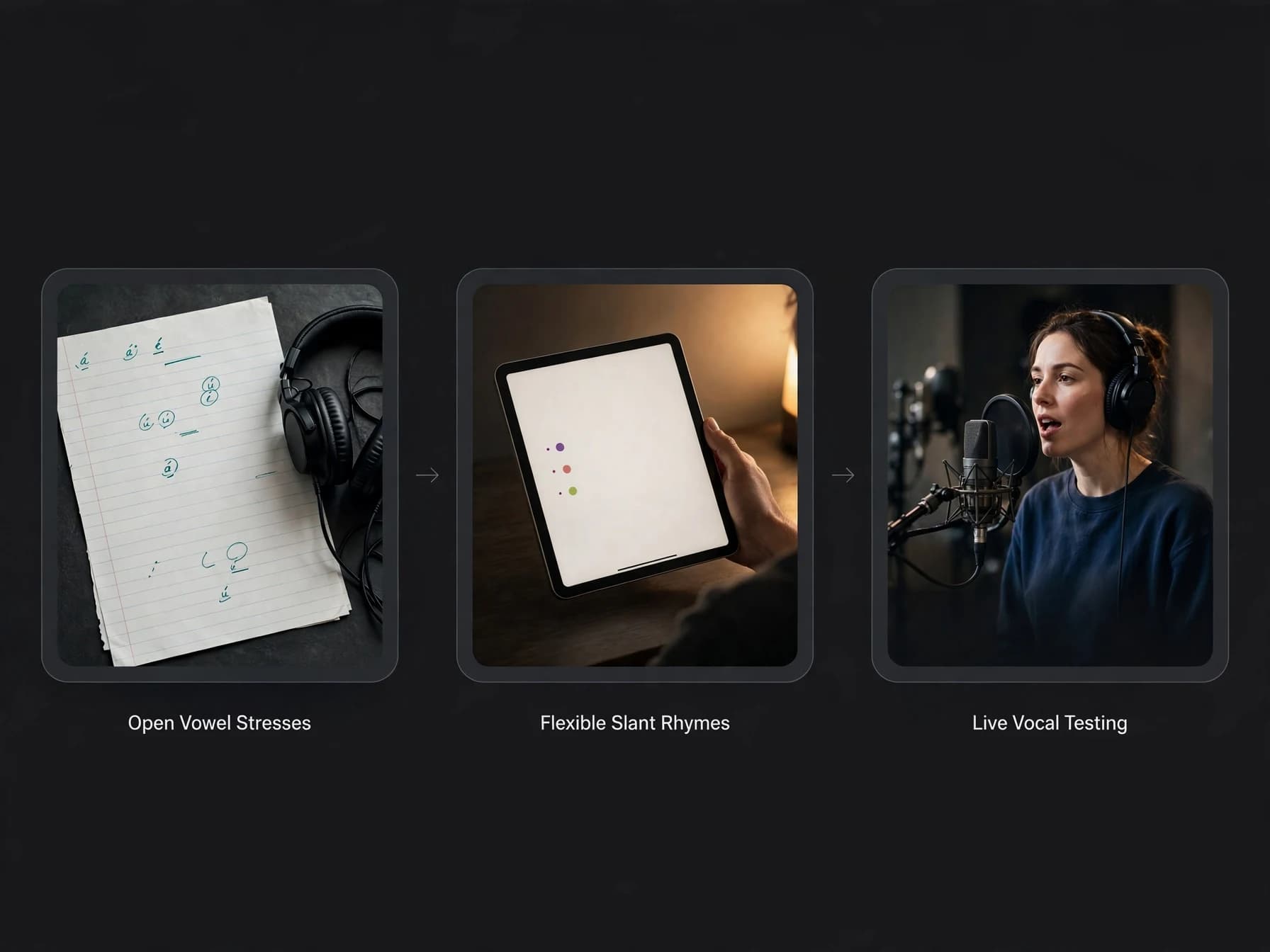
- Find the long notes. Wherever the singer holds a note, you want an open vowel ("ah", "oh", "ee"), not a word that ends in a hard consonant like "kept" or "stuck".
- Draft two or three options that keep the meaning with the same syllable count. Swap word order freely; English allows a lot more of that in songs than in prose.
- Check the stress: read the line aloud with the rhythm of the melody. If a weak word lands on a strong beat, try again.
A worked example (an invented Spanish line):
The singable line drops "shore", but it keeps the image, the waiting and the open vowel on the held note. Keep the rhyme scheme in mind as you go: if line 2 and line 4 rhymed in the original, aim for the same pattern, even with different rhyming words.
Step 3: test it out loud and fix what trips
Lines that look fine on paper often fail when sung. The fix is simple: sing them, or at least speak them in rhythm, over the instrumental. If you only have the full song, an AI vocal remover gives you a clean backing track to practise on.
Listen for these problems:
- Crowded lines. If you run out of breath or rush the end, the line has too many syllables. Cut filler words like "really", "just" and "so".
- Stretched words. If one word has to cover three notes, add a short word or split a long word into two.
- Tongue twisters. Clusters of consonants ("its strength stopped") are hard to sing fast. Swap a word.
- Rhymes that sound forced. A near rhyme ("home" and "alone") usually sounds more natural than a perfect rhyme that bends the meaning.
Do one section at a time and record a rough take on your phone. Play it back the next day: problems you could not hear while writing are usually obvious on a fresh listen. Expect two or three rounds for a chorus; it carries the hook, so it deserves the extra work.
Hear the translation sung in the original melody
Writing a singable translation is half the job; hearing it sung is the other half. You can record it yourself, ask a singer, or let AI do a first take.
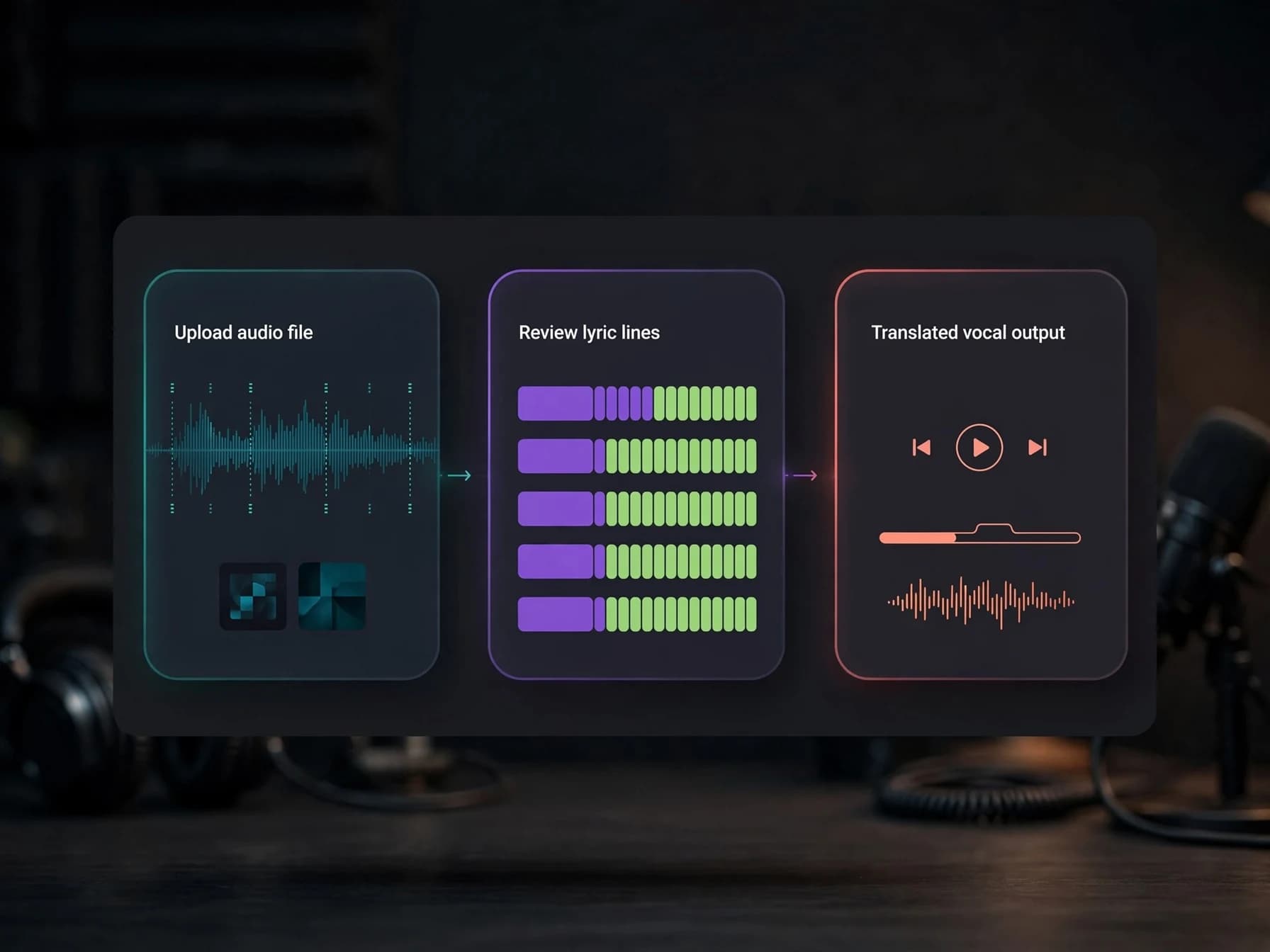
The OnMusic Song Translator works on the sung parts of a real track. You upload a song (up to 60 MB and 6 minutes) or pick one from your OnMusic library and choose one of 10 languages. OnMusic reads each sung line with its timing and writes a singable version of it. You can edit any line before anything is sung, so the steps above still apply: fix the syllable counts, keep your rhymes, and put the open vowels on the long notes. The sung parts are then replaced section by section, keeping the singer's voice by default.
Two things to know before you start. AI-written lines are a strong first draft, but they can still need small edits, so read them like a songwriter would. And Song Translator is on paid plans: it costs 30 credits per section of about 4 lines, with credits refunded automatically if a job fails.
If you want to compare tools first, our guide to the best AI song translators looks at what each one keeps and where it falls short.