


Understanding what is lofi music and its core sound
Understanding what is lofi music begins with recognizing its distinct sonic texture and relaxed rhythm. Lo-fi stands for low fidelity, referring to aesthetic flaws that traditional recording studios work hard to remove. Instead of ultra-clean audio, a lofi track embraces the warmth of vinyl crackle, gentle tape hiss, cassette wobble, and background ambient murmur. The genre blends downtempo hip-hop rhythms, mellow jazz chords, and muted piano lines to produce a calm, continuous groove. Most arrangements sit between 70 and 90 beats per minute, perfectly matching a relaxed human resting heart rate. Listeners often identify nostalgic dialogue snippets, subtle rain recordings, or softly strummed guitar passages that evoke cozy memories. Rather than demanding full concentration, this sound creates a steady audio landscape that feels personal, comfortable, and unpretentious.
The origins and cultural evolution of the genre
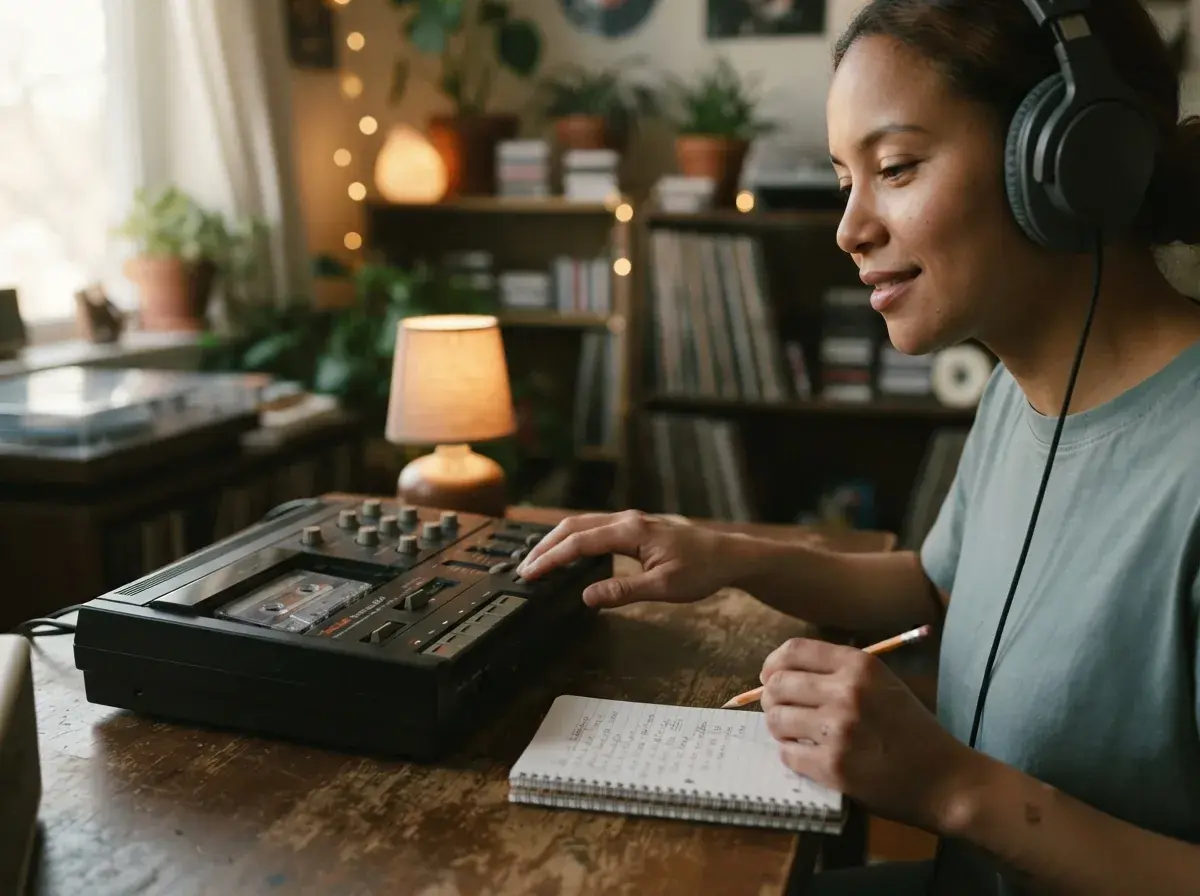
The roots of the lo-fi music definition date back to early underground musicians who recorded on basic four-track cassette machines out of necessity during the 1980s and 1990s. Over time, producers like J Dilla and Nujabes pioneered a new approach by pairing warm jazz samples with unquantized, boom-bap drum patterns. Their creative choices turned technical limitations into an expressive art form. In the late 2010s, automated live streaming video channels popularized the sound globally, most famously illustrated by the iconic anime student writing at her desk. Today, this style represents a worldwide community of bedroom producers and daily listeners who value honest human imperfection over polished commercial gloss.
How does low-fidelity audio influence brain focus and study habits?
A likely reason people turn to lofi music for studying is how the brain responds to steady, predictable rhythms. Research in cognitive psychology shows that unpredictable sound changes trigger involuntary orientation reflexes, which disrupt deep thinking and task immersion. Lo-fi songs avoid sudden vocal spikes, dramatic drop-offs, and sharp volume swings. The subtle presence of continuous background frequencies, such as vinyl surface noise or rain audio, functions much like pink noise by smoothing out sudden room distractions. Meanwhile, the gentle drum rhythm provides enough stimulation to keep the listener awake without demanding conscious processing power. This delicate balance helps individuals enter a state of flow while studying, coding, or reading.
Essential production elements that define the aesthetic
Every classic lo-fi composition relies on a handful of signature ingredients crafted with deliberate intent. First, harmonic progressions lean heavily on extended seventh and ninth jazz chords played on electric pianos like the Rhodes or upright acoustic pianos. Second, drum patterns intentionally stray off the strict digital grid, delivering a slight swing or dragging feel that mimics a human drummer. Equalization cuts away harsh high frequencies and clears excessive sub-bass, leaving a cozy midrange pocket. Finally, pitch modulation plugins or genuine tape warble simulate physical cassette degradation. Modern creators can easily experiment with these textures using OnMusic AI's text to music tools, shaping mellow grooves without touching complex digital audio workstations.

What is lofi music tips for creating your own chill beats?
Practicing what is lofi music tips helps anyone turn simple ideas into relaxing arrangements without expensive equipment. Start by selecting a comfortable tempo between 72 and 84 beats per minute to establish an unhurried foundation. Keep your drum kits dusty and subdued, favoring soft rimshots over piercing snare hits and round kick drums over boomy 808s. Layer gentle environmental audio beneath your instrumental layers, such as distant rainfall, coffee shop chatter, or crackling fires. Focus on repetitive chord sequences that shift subtly rather than complex verse-chorus transitions. With modern free music tools available directly online, anyone can prompt nostalgic chord progressions and share cozy tracks with friends right from their browser.
How modern AI makes relaxing music accessible to everyone
Learning the meaning of lofi reveals why simple creative technology fits this genre so naturally. In earlier eras, making warm background tracks required hunting rare vinyl records, owning vintage samplers, and spending hours adjusting hardware filters. Today, intuitive digital platforms allow everyday listeners to turn a mood or text description into a fully arranged instrumental song in moments. If you want to build custom study playlists, explore OnMusic AI's lofi music generator to sketch chill melodies and customize rhythms effortlessly. The process invites everyday creators to express emotion and shape personal soundtracks without needing years of music theory training.