

What does songwriting for beginners actually involve?
Songwriting for beginners starts with a single emotional premise rather than complex music theory. You do not need formal conservatory training to turn a feeling into a catchy melody. Most memorable tunes begin with a relatable phrase, a simple acoustic strum, or a basic drum pulse.
Great music relies on a dialogue between words and rhythm. When you begin your journey, focus on one clear story or mood that you want your listener to experience. Using an AI songwriter can help you brainstorm early concepts and themes. Setting clear creative boundaries keeps you from getting overwhelmed by endless compositional choices.
Keep your initial expectations grounded while you experiment with early musical sketches. Every experienced songwriter discards rough drafts before landing on their favorite hook. Giving yourself permission to write messy initial drafts is the fastest way to grow your creative confidence.
How to write a song in five clear steps
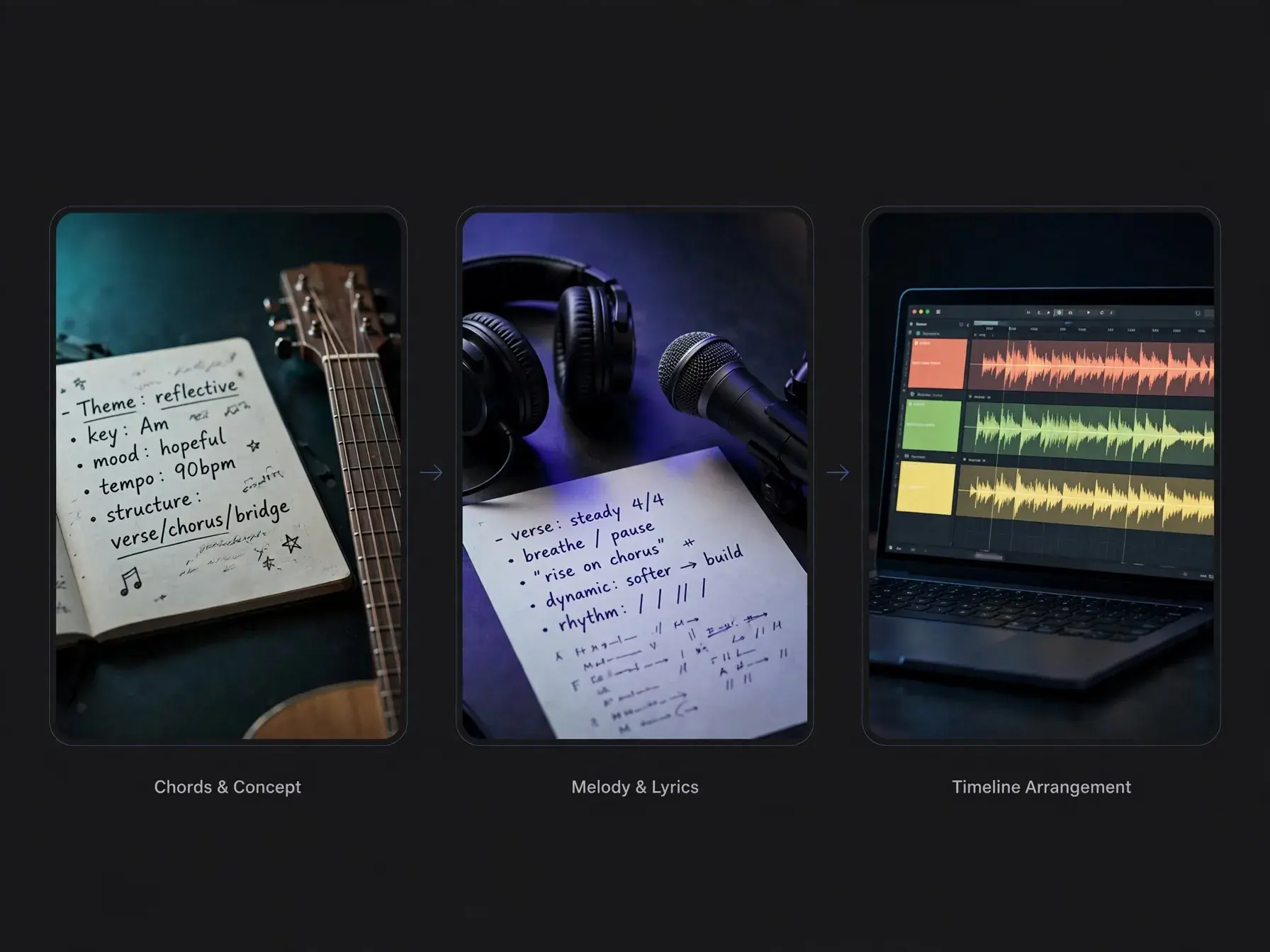
Step 1 is to pick a core concept and emotional focus for your piece. Step 2 is to establish a simple rhythmic or harmonic foundation using acoustic chords, a digital beat, or a looped bassline. Having a steady groove immediately gives your ear something stable to build upon.
Step 3 involves toplining, which means humming vocal melodies over your backing chords until a memorable pattern emerges. Step 4 is to draft lyrics that match the exact syllable count and rhythm of those vocal notes. Picking a clean rhyme scheme gives your lines natural cadence and makes words roll off the tongue effortlessly.
Step 5 is to assemble your sections into a cohesive timeline with verses, choruses, and an outro. Listen back to ensure the energy rises smoothly from the quiet intro to the dynamic hook. Once your arrangement feels balanced, capture a clean demo recording of the complete draft.
How to make a song with simple chord progressions
Learning how to make a song does not require mastering dozens of complex jazz chords. In fact, hundreds of popular radio hits share the exact same four chords: the one, five, six minor, and four progression. Strumming or playing these four basic chords creates an instantly familiar emotional landscape.
Try cycling through chords like C, G, A minor, and F on an acoustic guitar or keyboard. Varying the rhythm of your strumming completely alters the perceived mood and tempo without changing the underlying harmony. You can also shift to a minor tonal center if you prefer a darker, reflective atmosphere.
Once your chord loop plays comfortably, test different vocal contours over the top. High sustained notes generate urgency, while lower conversational notes establish intimacy in your verses. Simple chord foundations let your vocal personality remain the true centerpiece of the music.
How to write a chorus that stays in your head
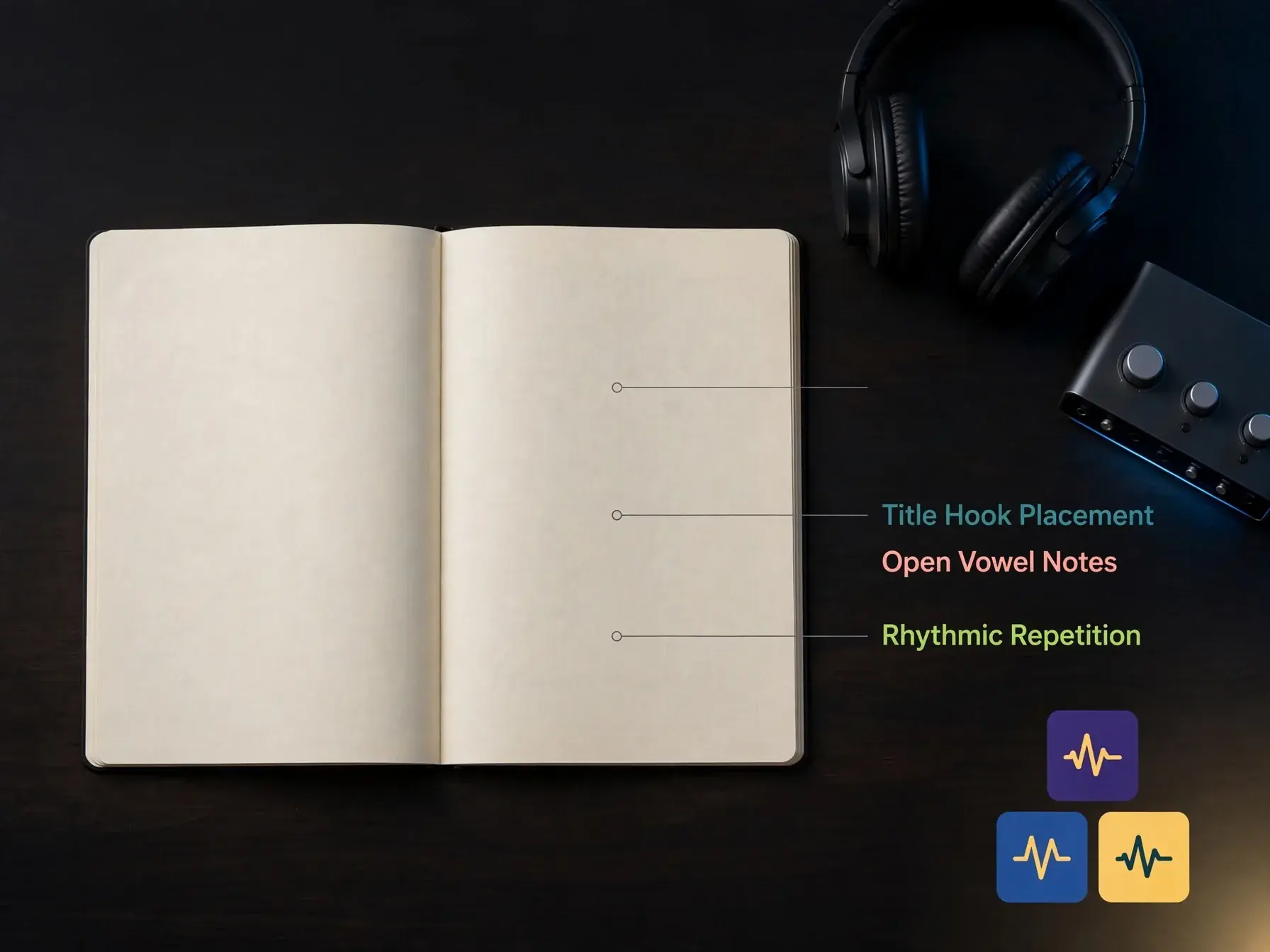
Understanding how to write a chorus means finding the central emotional release of your music. The chorus represents the highest point of energy, volume, and melodic clarity in the entire composition. It should deliver your core song title clearly so listeners can remember and sing it immediately.
Effective choruses use concise phrasing and strong rhythmic repetition to hook the ear. When writing a song, contrast the busy lyrical delivery of your verses with a chorus that has wider pitch intervals and open vowel sounds. Sustained high notes on key emotional words give singers maximum impact.
Keep your vocabulary direct and sensory rather than overly abstract. Mention tangible images, authentic reactions, and straightforward feelings that resonate across different audiences. If a first-time listener can hum the chorus melody after hearing it twice, your hook has succeeded.
Arranging verse and bridge sections for momentum
A successful song structure guides the listener through a satisfying emotional arc. Most modern pop, rock, and folk compositions rely on the standard verse, chorus, verse, chorus, bridge, and final chorus outline. Each distinct section plays a specific narrative role that keeps the musical momentum moving forward.
Verses establish the characters, setting, and evolving details of your narrative. In contrast, the bridge provides a refreshing harmonic departure that prevents your listeners from feeling ear fatigue. Introducing a new chord progression or lyrical perspective in the bridge makes the final chorus hit with renewed power.
Pay close attention to dynamic transitions between quiet sections and loud refrains. Stripping away instruments before a chorus creates explosive impact when the beat returns. Smooth transitions ensure your song feels like a complete journey rather than disjointed musical fragments.
Can digital tools speed up your songwriting workflow?
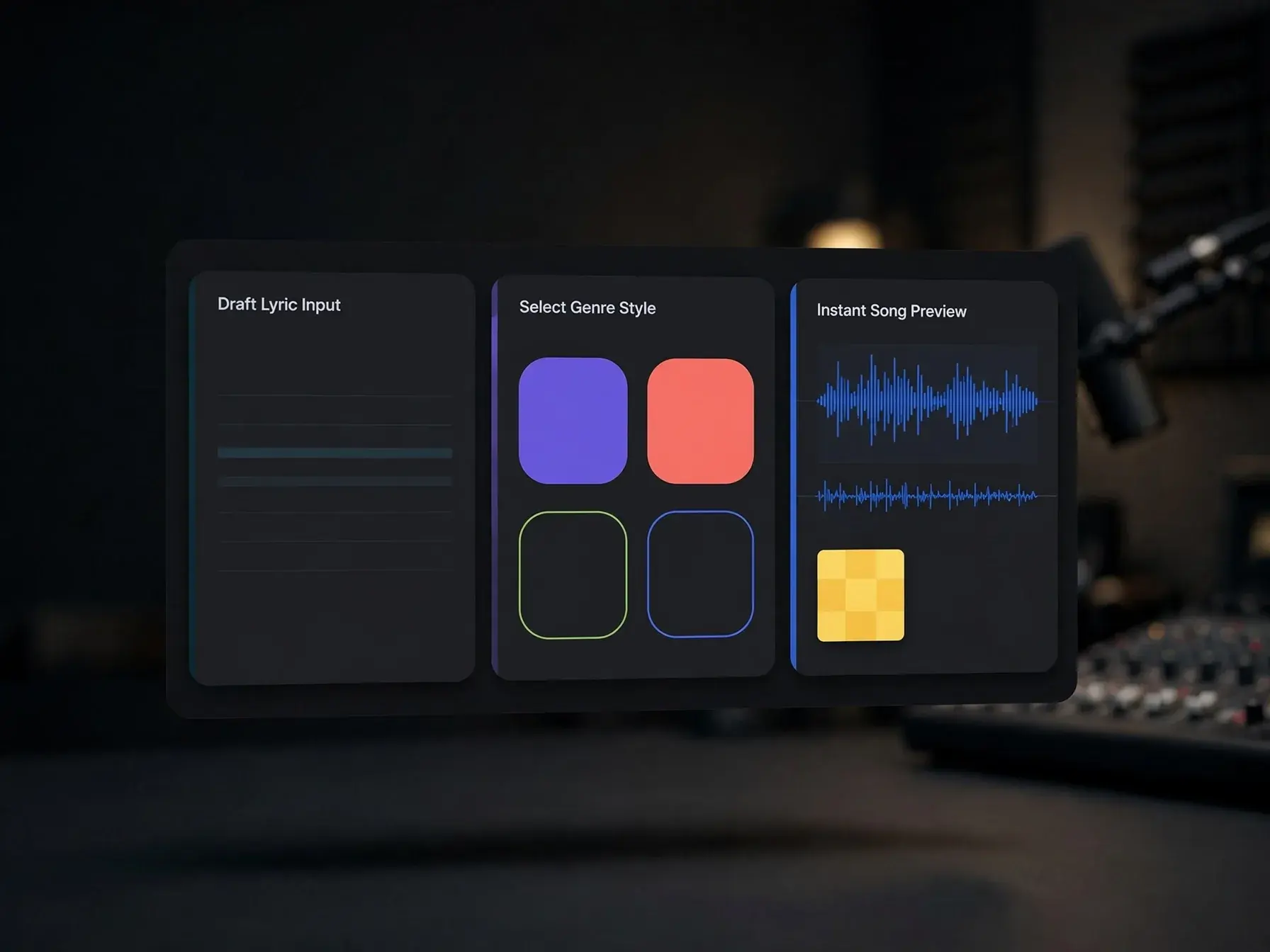
Modern creative technology gives aspiring musicians powerful new ways to explore songwriting tips and overcome blank-page intimidation. Learning how to generate a song with AI helps you turn rough concepts into audible drafts right away. Utilizing an AI lyrics generator can instantly supply unexpected rhyme options and rhythmic phrasing when you feel stuck on a tricky second verse. Digital tools act like collaborative co-writers who never run out of ideas.
You can also use an AI song generator or a lyrics to song tool to hear your rough draft performed with full instrumentation in seconds. Hearing your lyrics voiced over authentic genre backdrops with an AI music generator helps you diagnose rhythmic flaws and evaluate vocal cadences before booking studio time. It lets anyone experiment with pop, lo-fi, or indie styles without needing expensive recording gear.
The ultimate goal of any creative software is to accelerate your personal creative expression. Combine your authentic lyrical voice with intelligent tools to test melodies and discover surprising genre combinations. Once your musical foundation is set, you can refine your finished composition with genuine creative pride.