
Why learning how to make a K-pop song is easier than it looks
K-pop is no longer a niche. "Golden", sung by the fictional girl group HUNTR/X in Netflix's animated film KPop Demon Hunters, reached No. 1 on the Billboard Hot 100 in 2025, and Netflix and Sony confirmed a sequel in March 2026. Searches for K-pop song makers, K-pop group names and K-pop lyrics have followed.
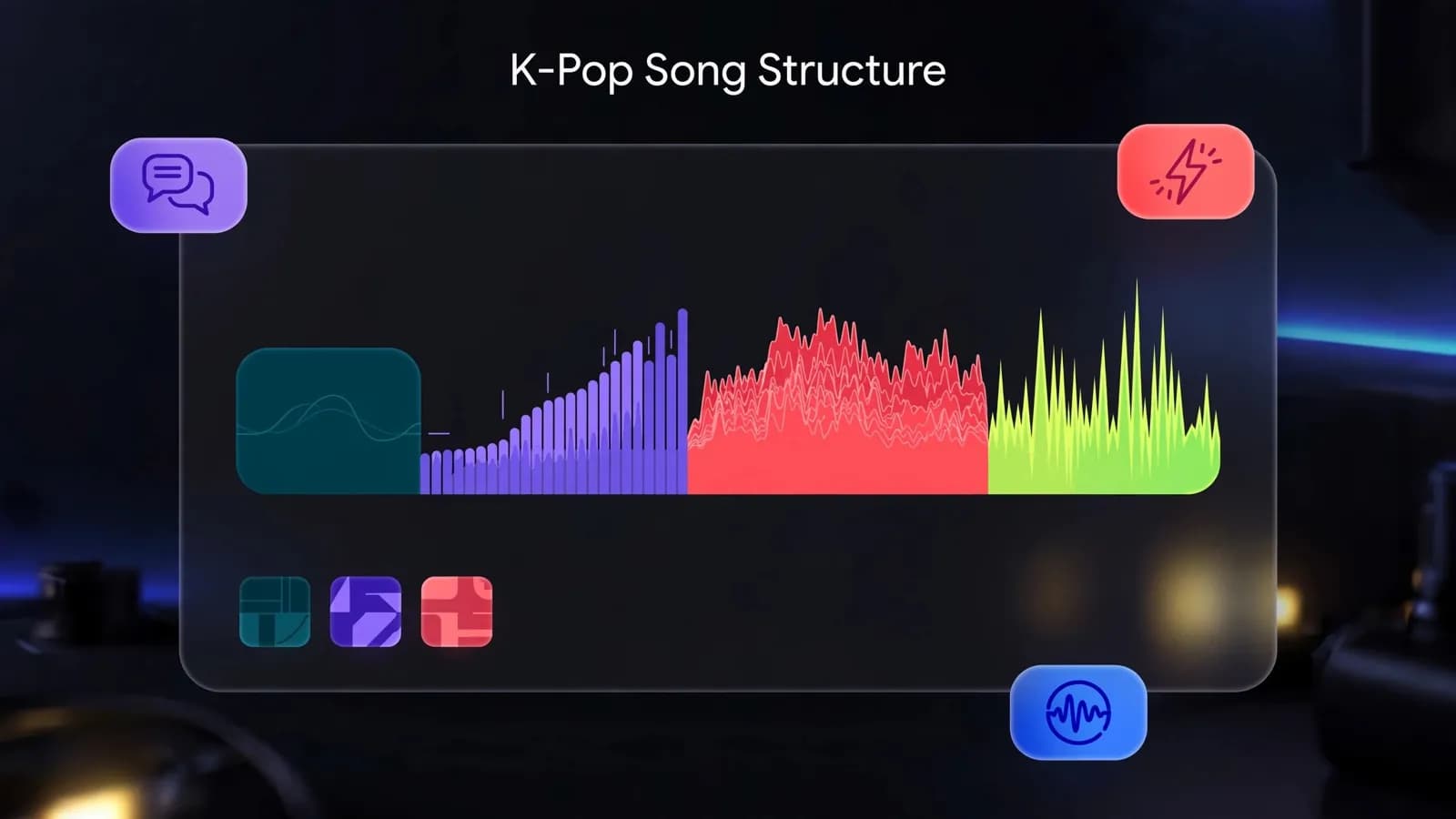
The good news: K-pop is one of the easiest pop styles to learn from, because its rules are loud and clear. A K-pop song switches gear every 20 to 30 seconds. It mixes genres inside one track (EDM drops, trap hi-hats, R&B verses, rock guitars), splits the vocals into roles for several members, and builds everything around one short hook.
You don't need to play an instrument. If you can write a chorus and describe a sound, you can sketch a K-pop song, then turn your words into a full track with a lyrics to song tool and keep refining it. If you need K-pop song ideas to start from, an AI songwriter can suggest concepts, titles and hooks.
K-pop song structure, section by section
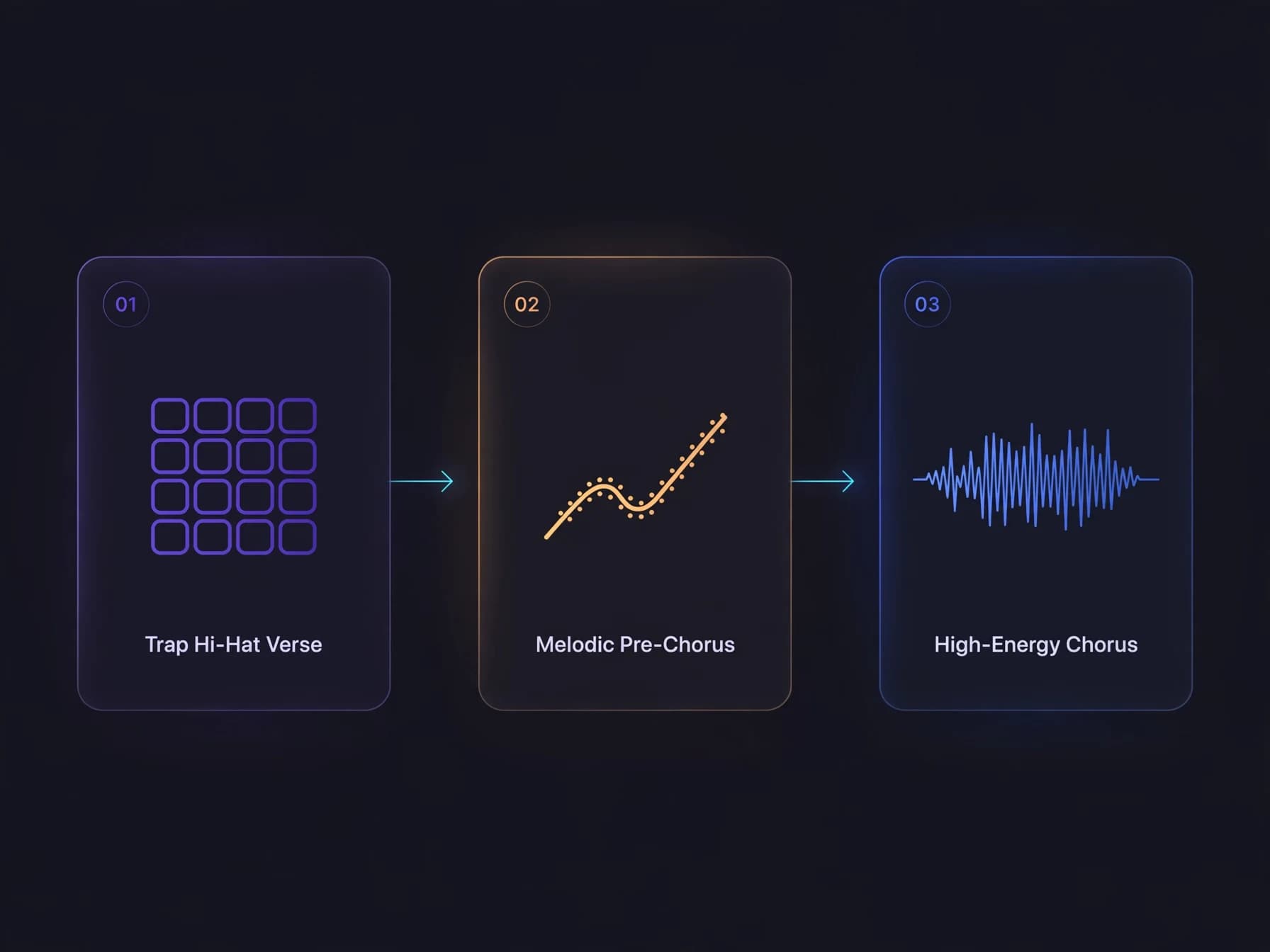
Most K-pop title tracks run about three minutes and use a busier version of the classic song structure. A common map looks like this:
- Intro (5 to 15 s): a chant, a spoken line or the hook played on a synth, so the song is recognisable from the first second.
- Verse 1: lower energy, often Korean, sung by one or two members to tell the story.
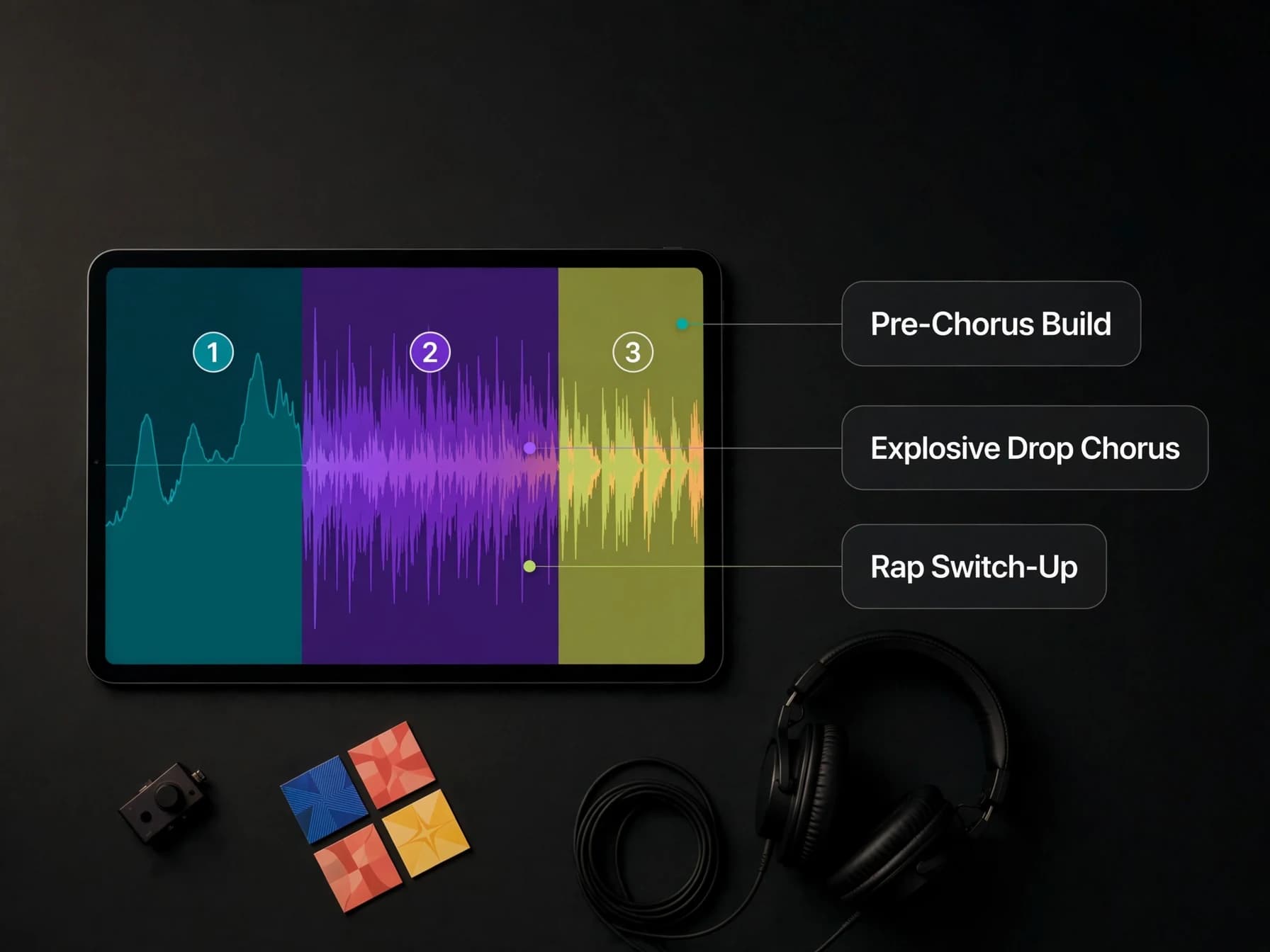
- Pre-chorus: the build. Drums thin out or speed up, the melody climbs and the lyrics promise the hook.
- Chorus / hook: the title phrase, repeated. In K-pop the chorus is often a "drop" with fewer words and a big beat.
- Verse 2 with a rap part: a rhythmic switch-up, usually 8 to 16 bars for the group's rappers.
- Pre-chorus and chorus again, sometimes with a new ad-lib layer.
- Bridge: the emotional turn. Softer, slower or in a new key, with the strongest vocal line of the song.
- Dance break: an instrumental or chant-only section built for choreography.
- Final chorus: the hook with everything stacked: harmonies, ad-libs, crowd shouts, often a key change.
The part fans call the "killing part" is the 5 to 10 seconds everyone remembers, usually a line in the chorus paired with a signature move. Plan where yours goes before you write anything else.
How to make a K-pop song step by step
To make your own K-pop song, work in this order. Each step gives the next one something to build on, so you never stare at a blank page.
- Pick a concept. Girl crush (confident, heavy bass, brass), bright teen (bouncy synths, cheerful chants), dark fantasy (minor key, cinematic drums), retro (80s synth or Y2K pop) or ballad (piano and strings). The concept decides the sound, the lyrics and even the title.
- Choose the tempo and groove. Many K-pop dance tracks sit between 100 and 130 BPM. Ballads are slower, around 60 to 80 BPM.
- Write the hook first. Two to five words you can chant, such as "Light it up" or "Run it back". Repeat it at least four times in the chorus.
- Write the pre-chorus so it climbs into the hook: shorter lines, rising melody, a last line that sets up the title.
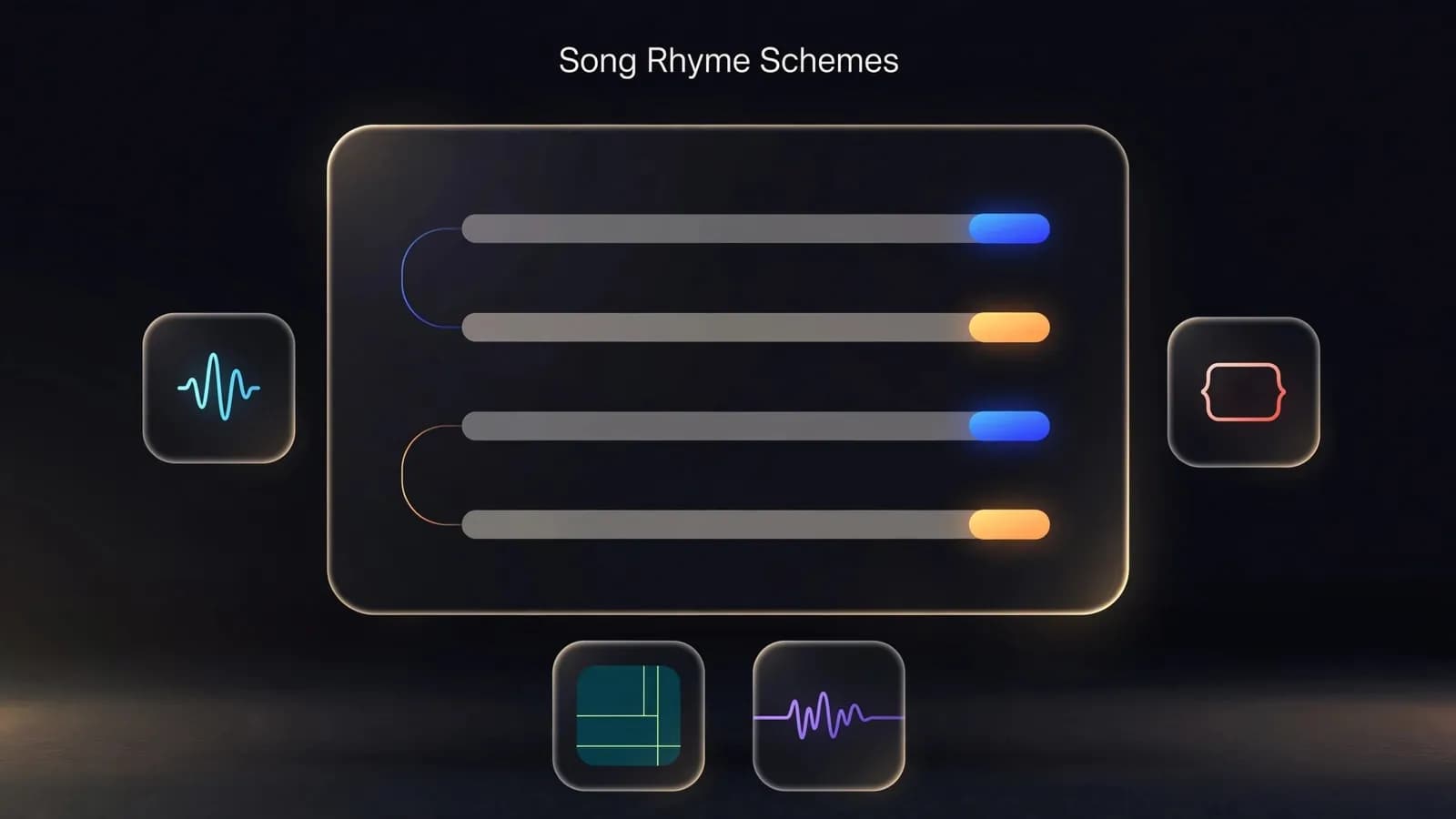
- Write the verses and the rap part. Verses tell the story; the rap part changes the rhythm. Use a clear rhyme scheme so the bars land on the beat.
- Add a bridge and a dance break. The bridge slows down or changes key; the dance break is just beat, chants and the hook as an instrument.
- Assign vocal roles. Mark who sings what: main vocal for the bridge and high notes, rappers for verse 2, everyone on the chorus. Even if one voice sings it all, writing roles makes the song sound like a group.
- Make a demo and revise. Turn the lyric sheet into a song, listen for the weakest section and rewrite only that part.
Writing K-pop lyrics in Korean and English
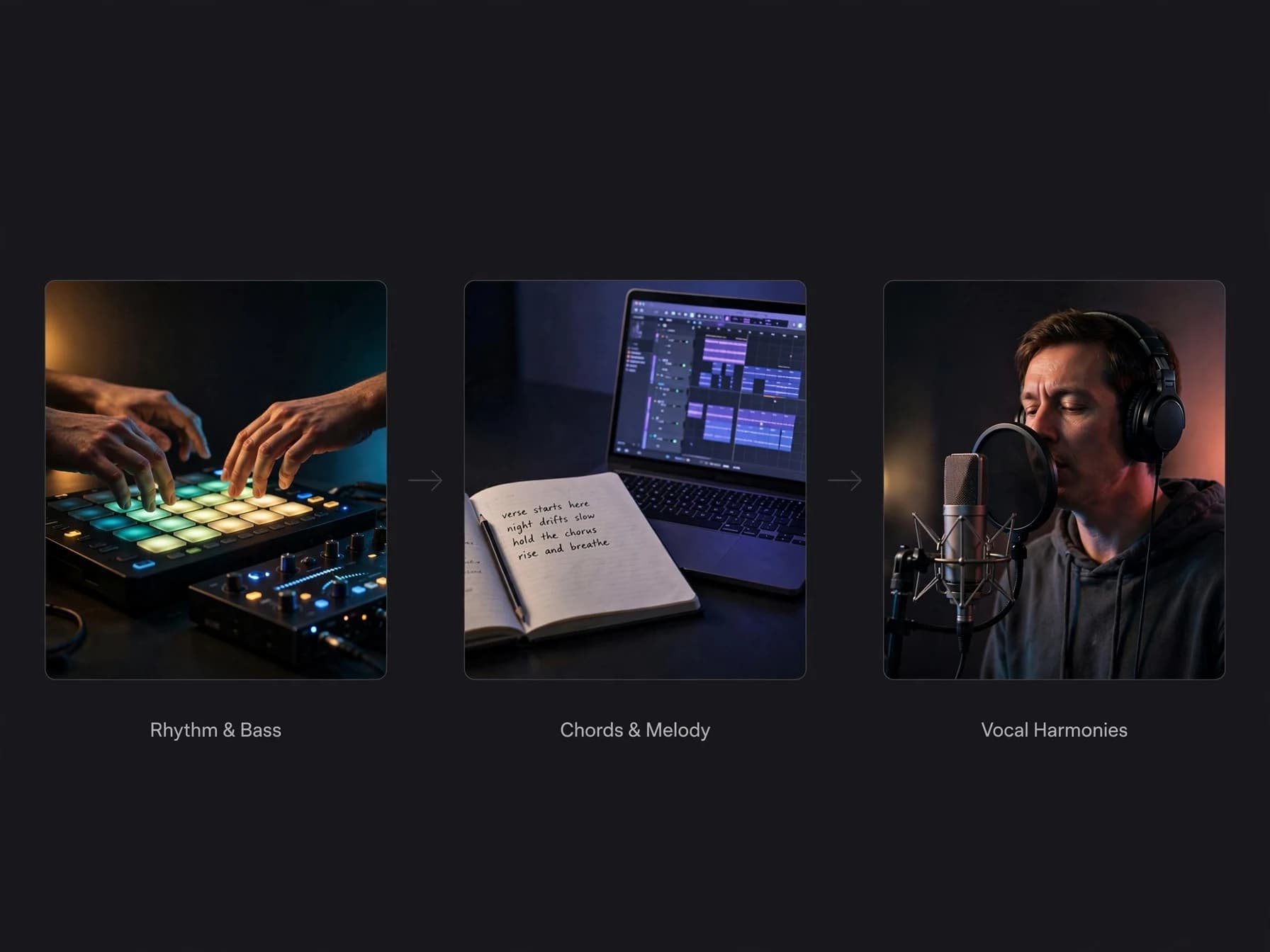
Knowing how to write a K-pop song mostly means knowing how to mix two languages. Most K-pop songs are written in Korean with English in the hook, the intro chant and a few ad-libs. English hooks are easy for global fans to sing; Korean verses keep the K-pop sound and rhythm.
- Keep the hook in English and short. Korean or English, the hook should be easy to shout.
- Use Korean where the story is, in the verses and the bridge. If you don't speak Korean, keep the Korean lines short and simple, and ask a native speaker to check them. Literal machine translations often sound wrong when sung.
- Write for the beat. K-pop lyrics are rhythmic first: short syllables, repeated sounds, and words that land on the drum hits.
- Mix languages inside a line only at natural breaks, such as "Feel it coming, 심장이 뛰어" (my heart is racing).
- Write your own words. Don't reuse lines or melodies from real songs, even as a tribute.
For the basics of writing verses and choruses, see how to write a song. If you want a first draft to edit, an AI lyrics generator can suggest lines for each section.
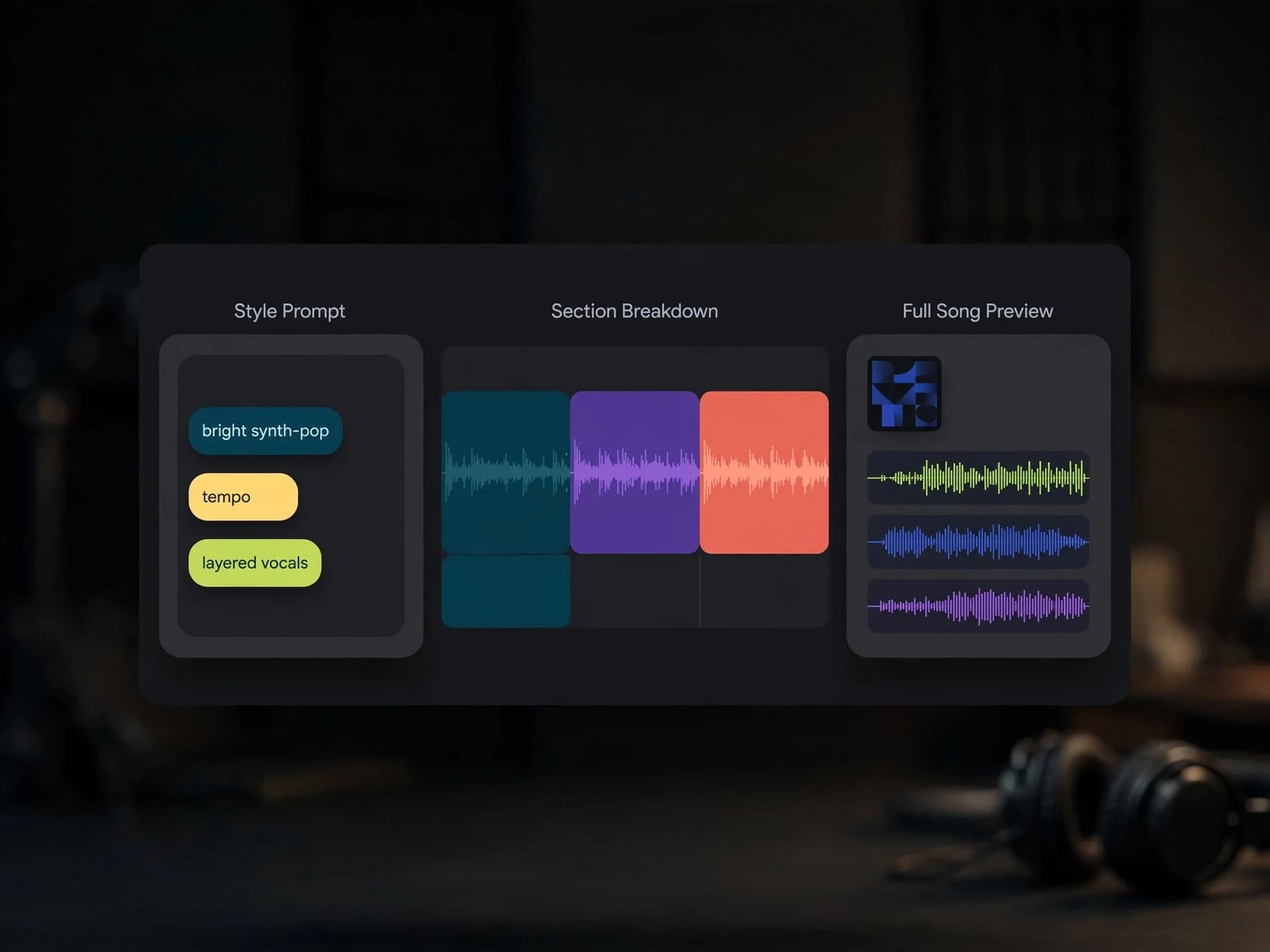
Example: a K-pop lyric sheet and prompt you can use
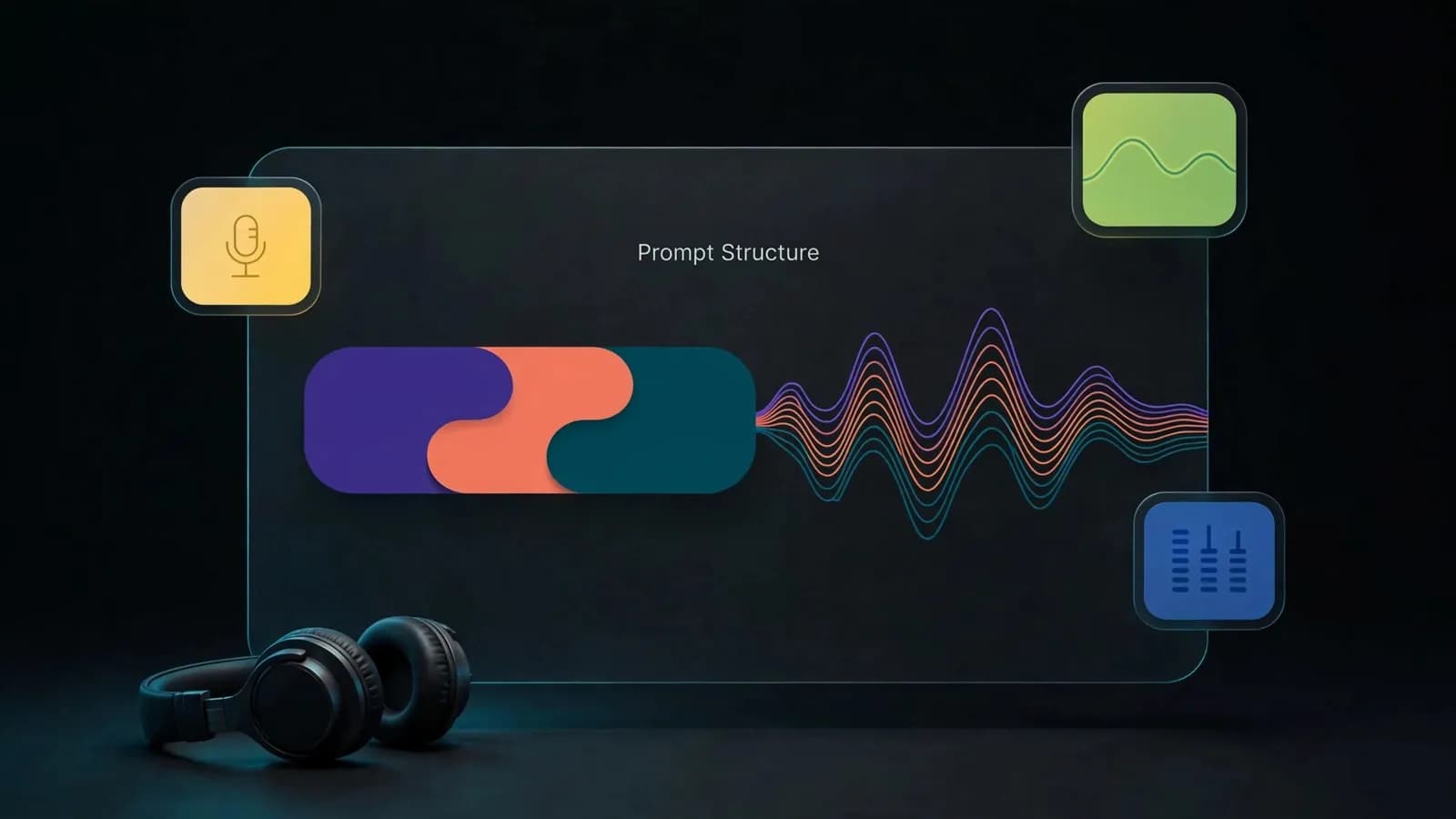
Here is an original example you can copy and change. The section tags in brackets tell the generator where each part goes.
Style prompt: K-pop girl group dance pop, 124 BPM, punchy 808 bass, bright synth brass, confident female vocals with group chants, English hook, Korean verses, rap verse, dance break before the final chorus, key change in the last chorus.
Lyric sheet:
[Intro] (Hey!) Light it up, light it up
[Verse 1] 밤하늘 위로 날아가 (fly up over the night sky) / 멈추지 마 지금 이 순간 (don't stop, this moment now)
[Pre-Chorus] Feel it coming, 심장이 뛰어 (my heart is racing) / One more second, here we go
[Chorus] Light it up, light it up / 우린 더 빛나 (we shine brighter) / Light it up, light it up / Tonight we don't stop
[Rap] Step to the beat, no brakes, no sleep / Every word that I say hits deep
[Bridge] 혼자가 아냐 (you're not alone) / Hold my hand tonight
[Dance Break]
[Final Chorus] Light it up, light it up
To hear it, paste the lyric sheet and the style prompt into OnMusic's lyrics to song tool, or use the AI song generator as a K-pop song generator. Sign-up is required: your first song is free, and after that you can buy a 3-song pack for $2.99 or use a Pro or Max plan. Generate two or three takes and keep the one with the strongest hook. Korean pronunciation varies from take to take, so listen to every Korean line, and shorten any line the vocal rushes. Leave real idols' names out of your prompt: describe the sound instead.
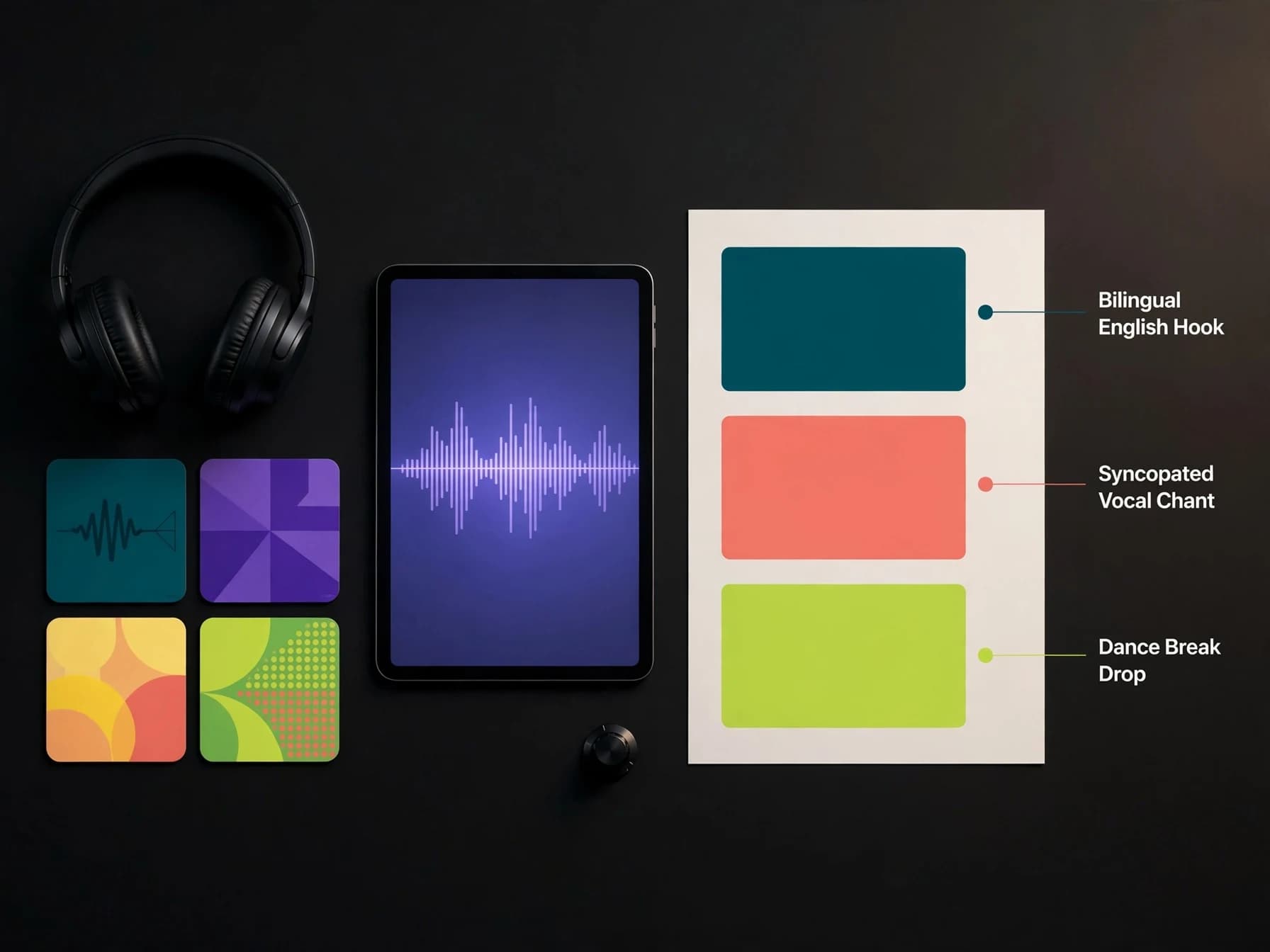
Finishing touches: the dance break, layers and the final chorus
This is how to make K-pop music sound finished: the last minute gets bigger, not longer.
- Dance break: drop the vocals, keep the beat and turn the hook into a synth or brass riff. Eight bars is plenty.
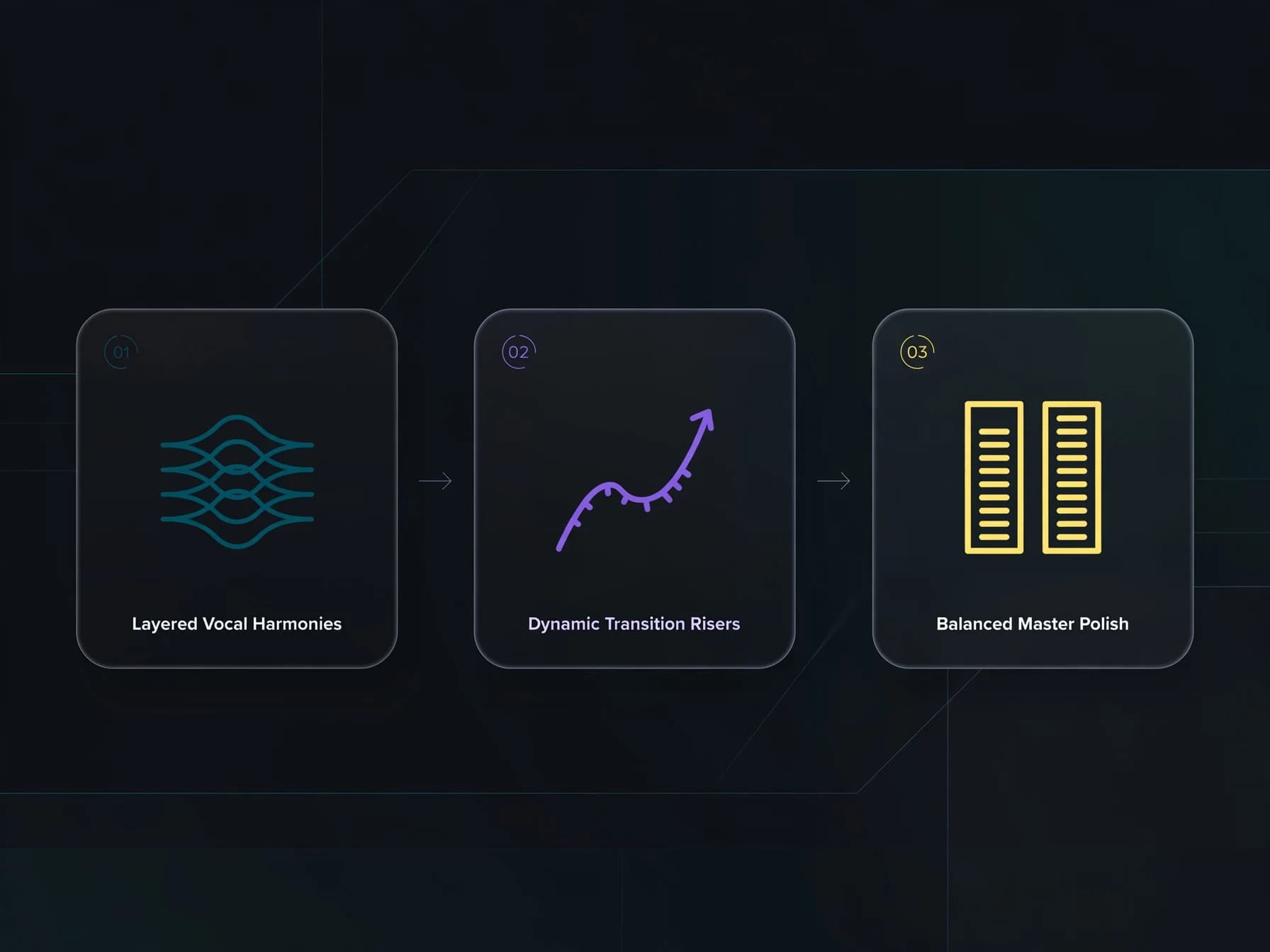
- Group vocals: add chants and "hey!" shouts on the hook, call-and-response lines (one voice sings, the group answers) and an octave double on the chorus.
- Final chorus: go up a key or add ad-libs on top so the ending feels like a payoff.
- Mix check: the lead vocal should stay clear over the bass. If you work with separate files, a stem splitter and AI mastering can help you balance and polish the final version.
Want to go further? Pick one of our 100 K-pop group name ideas or try the band name generator, and write the next song around a new concept.