Lyrics to Song

Lyrics to song is the process of turning written words into lyrics to music with melody, rhythm, and a singable structure.

Loved by 5M+ creators

Why it matters

What turning words into music unlocks

Understanding this process helps you move from written lines to a song that sounds intentional, singable, and worth sharing.

Hear your idea clearly

You can hear whether your words actually sing, not just read well on a page. Moving from text to music reveals pacing, repetition, and emotional peaks, so you can spot weak lines and shape a stronger chorus before sharing it.

Make a personal song

A song built from your own words feels personal in a way a playlist pick never can. That matters for birthday messages, wedding memories, inside jokes, or a note you cannot say out loud, because the final piece sounds made for one person.

Test style before you commit

Turning words into music lets you compare style choices quickly instead of rewriting from zero each time. You can try a soft acoustic feel, upbeat pop, or a rap flow, then learn which tempo, rhyme density, and mood fit your lyric best.

Finish something you can share

Completing a full song gives you something you can keep, post, or build on later. With simple tools such as OnMusic AI, the jump from notebook lyrics to a polished recording is smaller, so more ideas make it past the draft stage.

Hear real songs made with OnMusic AI

Each song below is real AI music made with OnMusic AI, straight from the explore feed. Tap a cover to play it here.

Pick the right model for the sound

Each AI music model costs a set number of credits per song, at any length. Play a sample to hear how they differ.

  • ACE-Step

    8

    Quick diffusion model with lyric support. With lyrics.

  • CassetteAI

    12

    Fast instrumentals, up to 3 minutes. Instrumental.

  • MiniMax v2.5

    32

    A great all-rounder for songs with vocals. Vocals + lyrics.

  • Lyria 3.5

    20

    Premium Lyria with full length control. Duration control.

  • MiniMax v2.6

    40

    Our latest MiniMax model, with the best vocal quality. Top vocals.

  • Stable Audio 2.5

    48

    Fast, high-quality audio up to 3 minutes. Fast · HQ.

  • SV

    Sonilo v1.1

    60

    Long-form songs with room to build. Up to 10 min.

  • ElevenLabs Music

    160

    Studio-grade music, up to 10 minutes. Studio-grade.

Writing lyrics that sing well

These topics explain how written words become music, melody, and structure. You will learn what changes lyrics need, what makes a song feel singable, and where AI can help along the way.

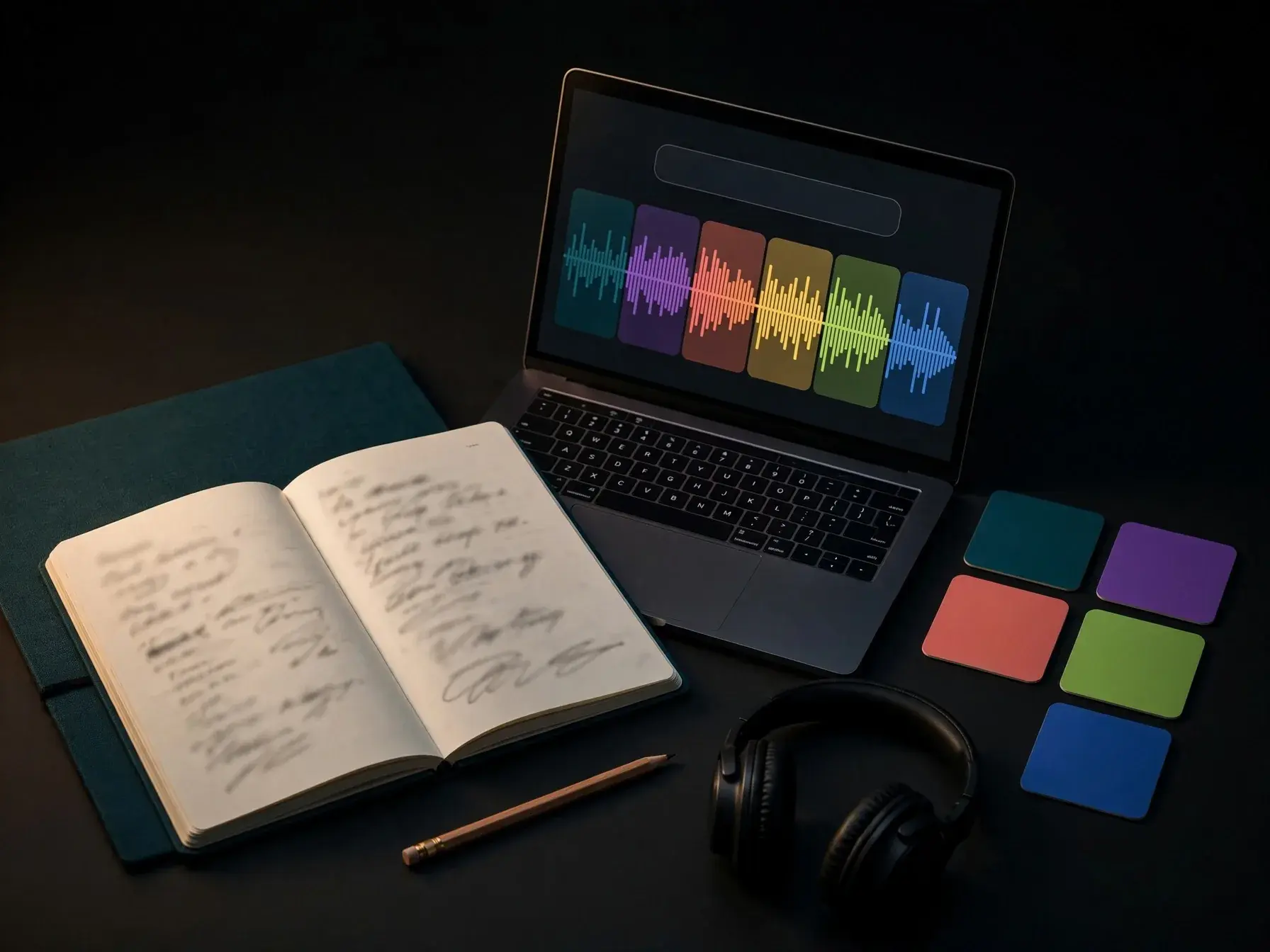
A notebook with blurred handwritten lines next to a laptop showing a prompt box and a colorful waveform, a pencil and headpho

Why start with lyrics first?

For many beginners, "lyrics to song AI free" is the search that means, "I already wrote something personal and I want to hear it as a real song without paying first." Starting from lyrics matters because the words carry the joke, memory, or feeling that generic music cannot match.

That is why people often look for an AI lyrics generator after they draft a few lines and realize the rhyme or flow still feels off. If your idea is not fully written yet, a guide on writing song lyrics with AI can help you shape a clearer verse and chorus before any melody is added.
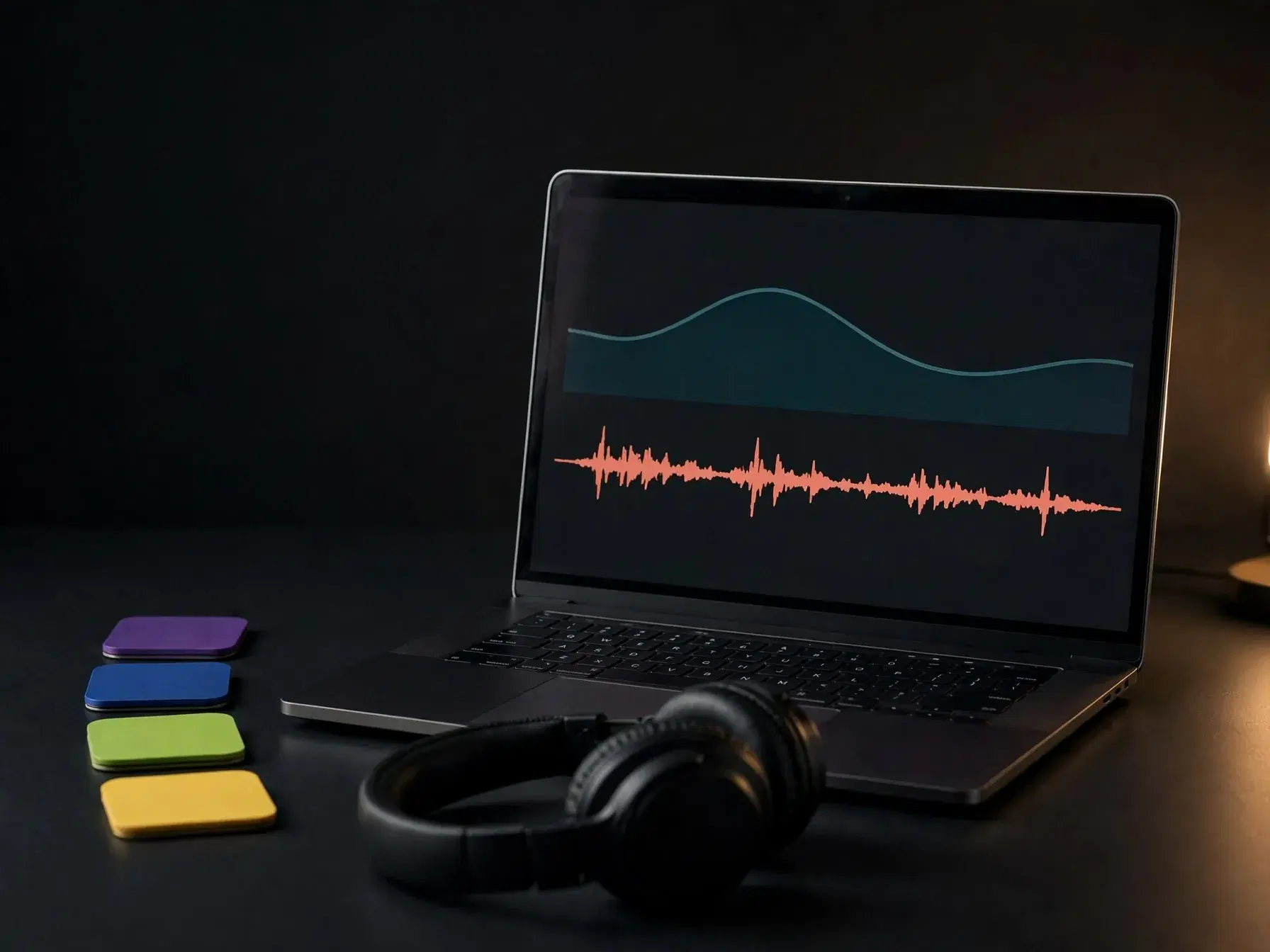
Closed-back headphones in front of a laptop showing two waveforms, one smooth and clean in teal, one slightly rough in coral

What makes words sing well?

To turn lyrics into a song, three basics matter most: syllable count, stress pattern, and section shape. A line with too many syllables will feel rushed, while a line with natural stress in the wrong place can make even a simple melody sound awkward.

Most songs also need clear jobs for each section. Verses move the story forward, and the chorus carries the main hook. If you want to hear how these choices map to sound, an AI song generator gives fast examples, and lyrics to melody tips can show why some lines sing smoothly and others fight the beat.

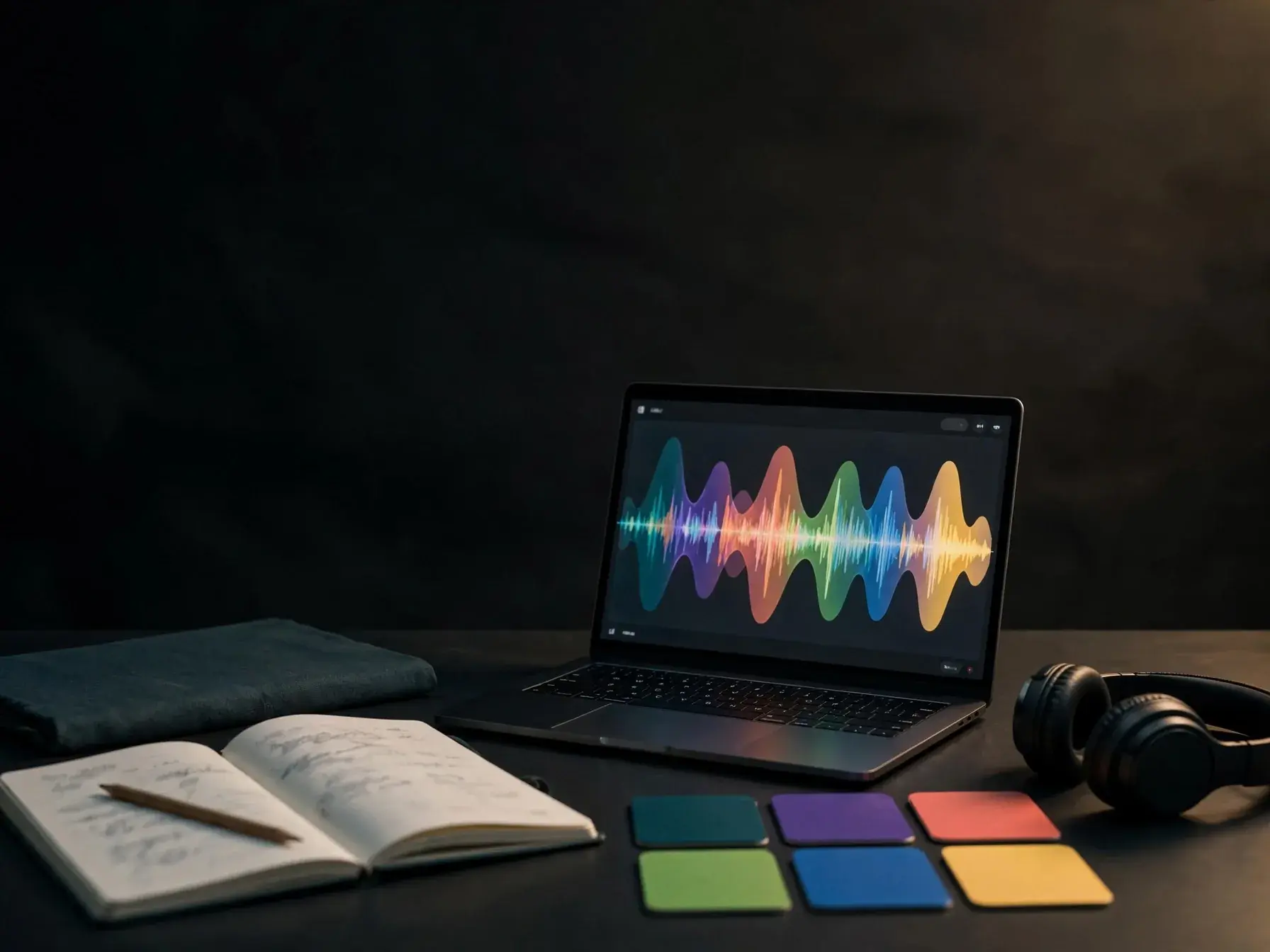
A notebook with blurred handwritten lines next to a laptop showing a prompt box and a colorful waveform, a pencil and headpho

How can AI shape your lyrics?

An AI lyrics to song generator works best when you provide the lyrics, then spell out the sound you want in plain language. Try a prompt like, "Use my birthday lyrics as upbeat acoustic pop, 95 BPM, warm female vocal, verse chorus verse chorus bridge, about 2 minutes" and the useful result is a full song with a clear hook, fitted melody, and vocals that keep the words easy to catch.

OnMusic AI helps here because you can test one set of lyrics in different styles without rewriting the whole piece. After that, an AI vocal remover can make an instrumental version, and an AI stem splitter can separate parts for small edits or remix ideas.

How does a lyrics to song tool work?

It takes written words, fits them to vocal rhythm and melody, then builds music around that structure.

How it works
  1. Step 1: Shape the lyrics

    Start by splitting your words into verses, a chorus, and any short intro or bridge. Keep line lengths fairly even, so the vocal phrasing feels natural instead of cramped in one line and empty in the next.

  2. Step 2: Map the melody

    Next, match the words to a beat and melodic contour. Strong syllables usually land on strong beats, longer vowel sounds can hold longer notes, and the chorus often uses the simplest, most memorable melodic pattern.

  3. Step 3: Build the full song

    Then add the music, vocal tone, tempo, and arrangement that fit the lyric's mood. After that, refine any awkward phrases, hard-to-sing word clusters, or sections that need a stronger hook, so the final song feels coherent from start to finish.

Common ways to turn your words into a finished song

See where this fits best, from birthday messages and love notes to demo lyrics, class projects, joke songs, and first-draft hooks.

Lyric Writers

Lyric Writers

This is for people who already have words, a hook, or a full verse but cannot hear the melody yet. You can test different moods, tempos, and vocal styles until your lines feel like a real song instead of text in a notes app.

Person holding a gift box while playing a personal song on a phone

Gift Makers

Some people want a personal song for a birthday, anniversary, inside joke, or group memory. A custom song feels more specific than a playlist because the words, mood, and voice can match the moment you want to celebrate.

Casual Content Creators

Casual Content Creators

This fits people who make videos, slideshows, podcasts, or social posts and want music that matches their own idea. Instead of searching through generic audio, they can create a song or instrumental that fits the tone of the project.

Features

Tools that help your words become real music

These features make it easier to shape lyrics, hear melody ideas, add vocals or instrumentals, and finish a song you want to keep or share.

Match lyrics to melody

The system reads your line length, rhyme pattern, and repeated hooks to shape a melody that fits the words. That gives your song a smoother vocal flow, especially when a chorus needs to feel catchy and easy to follow.

Build verse and chorus sections

Your words are arranged into clear song parts like verses, chorus, and transitions so the music feels complete. This helps turn a page of lyrics into a song with movement instead of one long repeated idea.

Control length and pacing

You can create shorter ideas, fuller songs, and different energy levels without rewriting everything from scratch. That makes it easier to test a slow, emotional version or a faster, punchier version from the same lyrics.

Refine words before final audio

You can edit lines, tighten phrasing, and fix awkward spots before sending the lyrics into music. If you want a cleaner instrumental or separated parts for edits, the AI vocal remover and AI stem splitter give you extra control without extra software.

Start from a beat sketch

Sometimes lyrics need rhythm before they need a full arrangement. A rap beat maker can help you find the pocket first, then you can layer your words on top and shape the song around that groove.

Lyrics to song questions answered clearly

These answers cover melody, structure, vocals, rights, and what to expect when you turn words into music. Start here if you want a simple overview before you create.

How does lyrics to song work?

Lyrics to song works by matching your words to a tempo, chord pattern, melody shape, and song structure. A good system reads line length, stress, rhyme, and mood, then builds verses, a chorus, and vocals that fit the lyric instead of forcing the lyric into a random beat.

Can lyrics to song create vocals if I only wrote the words?

Yes, lyrics to song can create a sung version from words alone if the tool can map syllables to notes and phrase each line naturally. Results improve when you add a genre, mood, vocal style, and a few reference details such as tempo, energy, or who the song is for.

Is lyrics to song AI free good enough for a full demo?

Yes, a free lyrics-based music tool can be enough for a solid demo, especially for testing hooks, mood, and arrangement. Free versions are best for trying ideas fast, while polish steps such as cleaner vocal balance, alternate takes, or exports may matter later if you plan to share widely.

Can lyrics to melody AI help when my words have no rhythm?

Yes, lyrics to melody AI can help by suggesting note movement and phrase breaks that make uneven lines easier to sing. You still get better results when you trim extra syllables, mark the emotional peak, and keep each section's cadence consistent.

How do I convert lyrics to music online without using a DAW?

Start with a simple lyric block, then choose a genre, tempo range, and mood so the music has a clear lane. If you want a step by step example, a turn lyrics into a song guide and a lyrics to melody tips article can help you refine syllables, chorus shape, and section length before you export.

What makes written lyrics easier to sing in a finished song?

Short, steady lines are easier to sing because melody needs space for stressed syllables and breath. Keep verse patterns fairly even, avoid tongue twisters, and let the chorus use simpler words with a clear repeated idea so the hook lands on the first listen.

Explore more